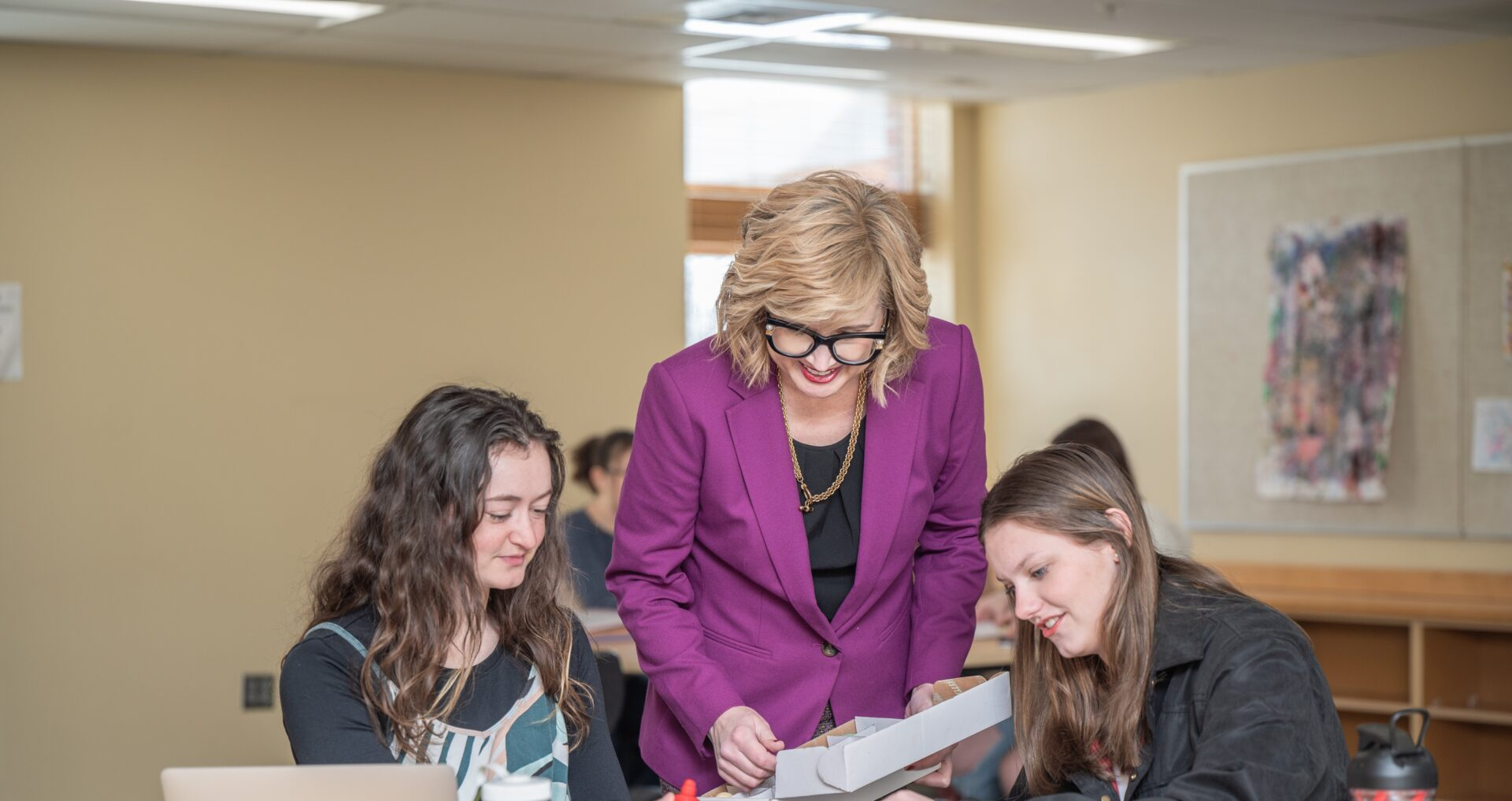
Professor working with two students

Advising

Academic Support at UMF

A Personalized Approach

From the moment they arrive on campus, students are paired with faculty advisors who guide them through course selection, degree requirements, and long-term academic planning.

Steve Davis meets one-on-one with students interested in Career Services inside Mantor Library

The Student – Advisor Relationship

All UMF students are assigned to a primary Advisor once they begin college. Some students also have a Peer Advisor, a TRIO Johnson Scholars Advisor, or a Mentor.

Your Academic Advisor will provide accurate information, assist you with choosing courses, assist you with exploring the consequences of your choices, and inform you of the services and educational opportunities available at UMF. Your advisor will communicate with you by email or phone to schedule appointments.

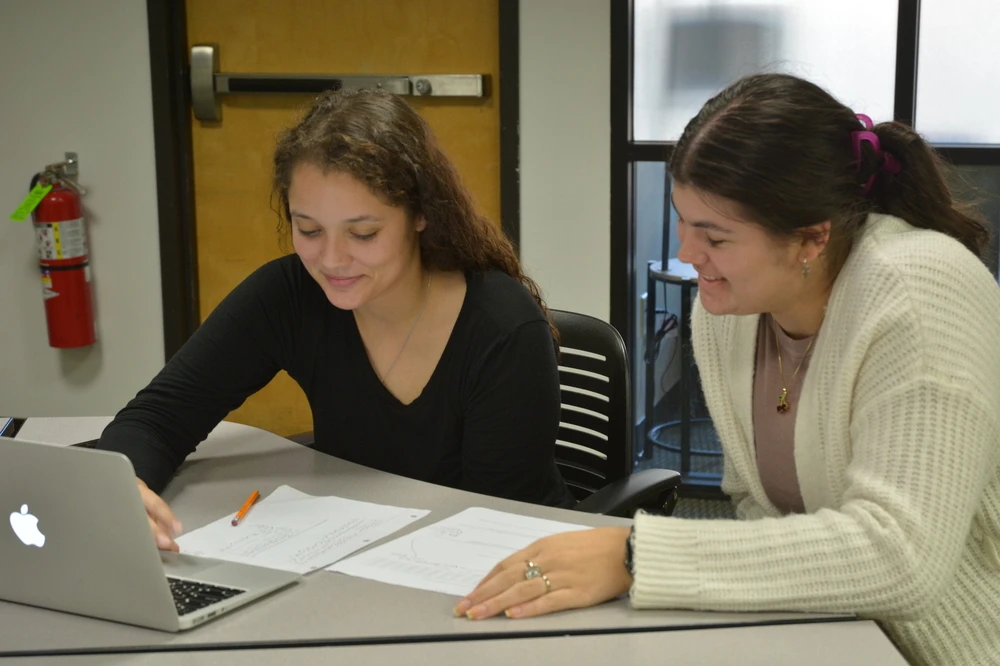
Two people sitting at a table together looking at a laptop.

Academic Resources at UMF

  • Faculty Advising – Each student is assigned a faculty advisor within their major.
  • Undeclared Student Advising – Students who haven’t chosen a major receive specialized advising.
  • Advising & Academic Success Center (ASC) – Offers support for students on academic probation or needing extra guidance.
  • Peer Advising & Mentoring – Upperclass student mentors offer support and advice to help new students transition to college life.
  • Transfer & Special Population Support – Tailored advising for transfer students, first-generation college students, and those in pre-professional tracks like pre-med or pre-law.


Planning Your Future, One Step at a Time

College is a great time to figure out who you are and what you want to do. At UMF, you’ll get support to explore your interests, strengths, and goals.

Techniques for Improving Your GPA

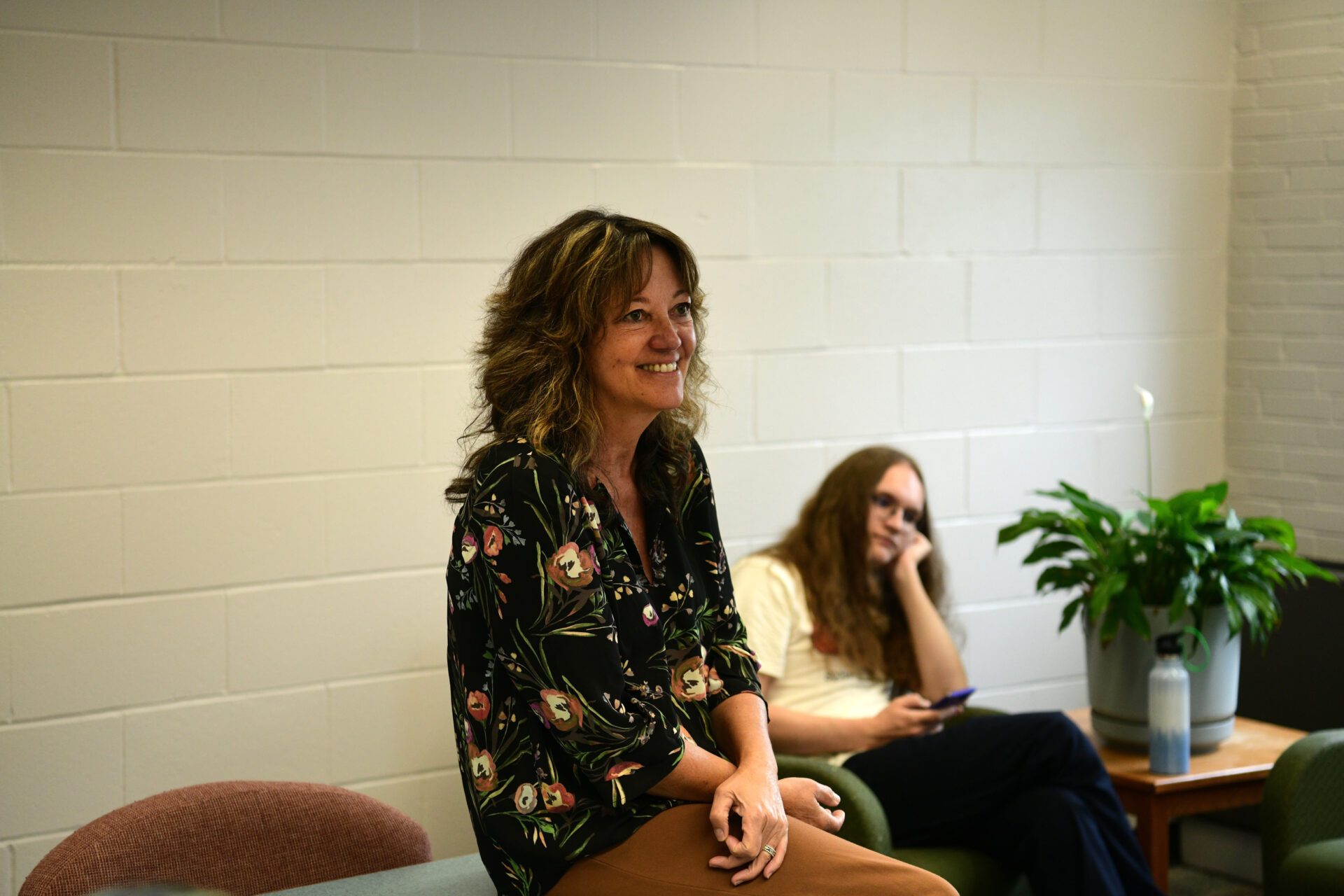
Professor sitting on desk and similing
• Get to know your instructor. • Keep a copy of every assignment, paper, project, and lab report that you turn in. Have someone look over assignments before you turn them in.
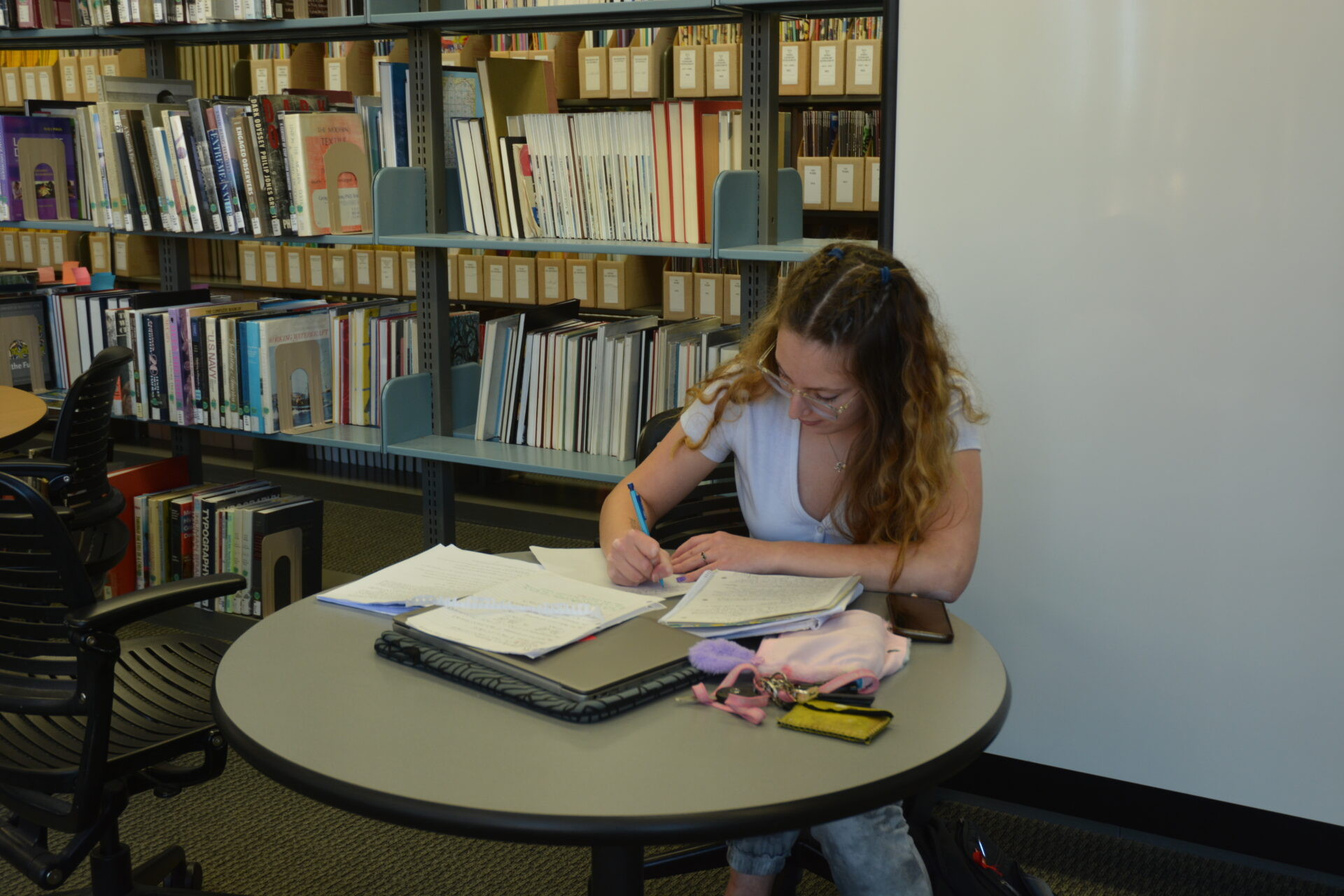
Student working at table in library writing in notebook.
• Anticipate exam questions by actively listening in class. • Study with others in small groups or in the library. • Sit at the front of the classroom.
• Make notes in the margins of your textbook (rather than highlighting passages) during class lectures to supplement your reading. • Know your learning style.
When I applied to UMF, I wasn’t sure what I wanted to do. I started as a Secondary Social Science major but soon realized teaching wasn’t for me. With my advisor’s help, I switched to Liberal Arts Undeclared. That spring, I took a Geography class called Global Transformations and was surprised by how broad and relevant the subject was. Curious to learn more, I met with Career Counselor Stephen Davis to explore Geography-related careers. By the end of my first year, I had declared a major in Geography, with a growing interest in GIS systems.

Chad
UMF Student

Questions? Contact our office.

Next Steps

Your Journey Starts Here