UMF and Northeastern University create pathway to a Master’s degree in Biotechnology at the Roux Institute to help students advance their careers
FARMINGTON, ME (October 6, 2026)— The University of Maine at Farmington and Northeastern University have created an accelerated pathway for full-time UMF undergraduate students majoring in biology to earn their master’s in biotechnology.
Beginning in Fall 2026, UMF students can take three graduate-level science courses at UMF that will count toward the degree requirements for both an undergraduate degree at UMF and up to seven credit hours towards a corresponding designated Northeastern University Master’s degree in Biotechnology at the Roux Institute in Portland, Maine.
“The life sciences sector is a growing industry in Maine that offers meaningful career opportunities to academically strong and motivated students throughout the state,” said Joseph McDonnell, UMF president. “This new pathway between UMF and the Roux Institute provides our students a head start toward earning their master’s degree in biotechnology and developing the skills that will advance their careers and help support the state’s workforce needs.
This program was created with the continued support of a $400,000, three-year National Science Foundation EPIIC Grant that was awarded to UMF in 2023. The purpose of NSF EPIIC grants is to support the growth of innovation and build capacity at smaller institutions of higher education by enabling partnerships that can grow the workforce.
“These first time ever UMF graduate courses in science are all about creating opportunity for students and growing the biotechnology industry in Maine and beyond,” said Tim Breton, UMF associate professor of biology and principal investigator for the UMF NSF EPIIC grant.
“Life science and biotechnology industries are among the fastest growing sectors in New England, especially in Maine, and this pathway will help our students advance their careers in this expanding profession,” said Breton.
The three 500 level UMF graduate courses will include Theory and Methods of Scientific Inquiry, Biotechnology Laboratory, and Biostatistics—all taught by full-time, tenured UMF science faculty. These courses have been determined to have sufficient overlapping content to be double counted as part of the UMF-Northeastern University advanced standing Program in MS in Biotechnology.
“We are excited to establish a clear pathway between UMF and the Roux Institute for UMF students interested in an advanced degree in the life sciences,” said Aileen Huang-Saad, director of Life Sciences, Health, & Engineering Programs at the Roux Institute. “This partnership exemplifies how academic institutions can work together to offer students a diversity of choices for career advancement.”
Interested UMF students can contact UMF Associate Professor Timothy Breton of Biology at timothy.breton@maine.edu or 207-778-7364 for more information.
Students are required to meet the minimum admission requirements and maintain a 3.0 GPA or higher through the completion of the UMF B.A./B.S. degree in order to be eligible to gain full admission to the designated Master’s program. They must earn a B or better in all Master’s courses completed to count appropriate credits earned during the B.A./B.S. to the Master’s program.
The Master’s degree is earned after completion of the remaining Northeastern University Master’s degree requirements, in addition to those completed during the UMF undergraduate B.A. in Biology program.
More info on Roux Institute
The Roux Institute is a graduate campus and research center affiliated with Northeastern University and located in Portland, Maine. Through integrating graduate-level learning, world-class research, industry partnership, and groundbreaking entrepreneurship, Northeastern University’s Roux Institute operates as a tech talent and innovation hub for Maine and beyond, driving bold innovation at the intersection of tech, data and the life sciences.
More on University of Maine at Farmington
A nationally recognized regional public university known for its commitment to the creative arts, teacher preparation, the health arts and sciences, the environment, business and public service, UMF provides a challenging yet supportive environment to prepare students for both careers and further study. Located in the heart of Maine’s four-season outdoor recreational region, UMF is a welcoming, close-knit academic community that prepares students for enriching professional careers, engaged citizenship and an enduring love of learning.
# # #
EDITOR’S NOTE:
Image: https://farmington.edu/app/uploads/2026/10/RP267-010A.webp
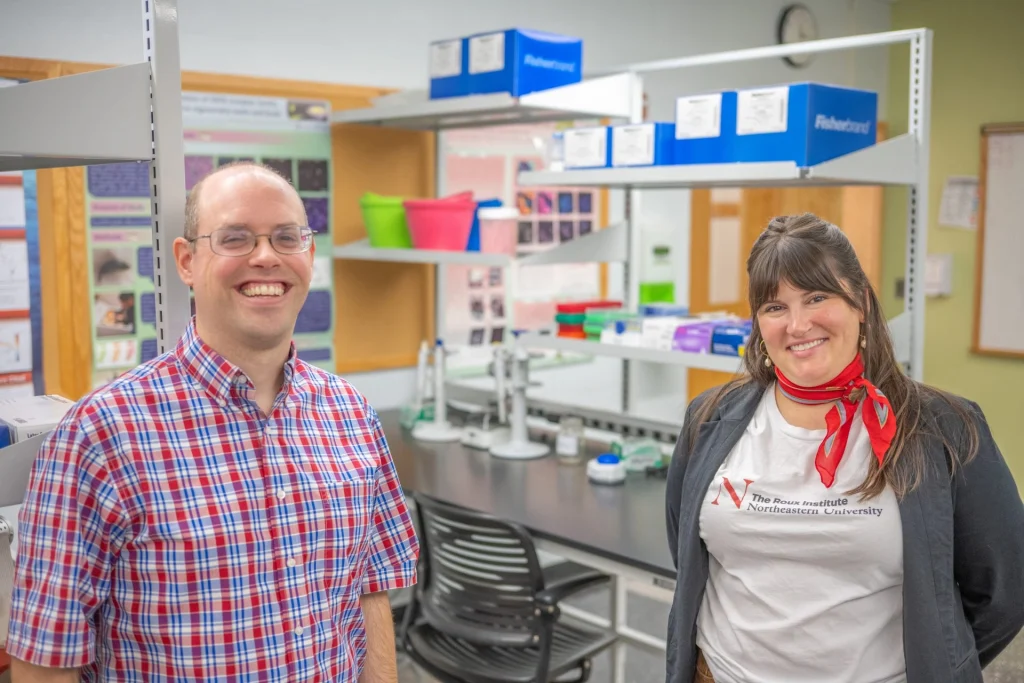
Photo Caption: Timothy Breton, UMF associate professor of biology, (left) welcomes Moriah Folsom, Roux Institute Life Sciences, Health and Engineering education program manager, to new UMF biotechnology facilities.
Photo Credit: UMF Image
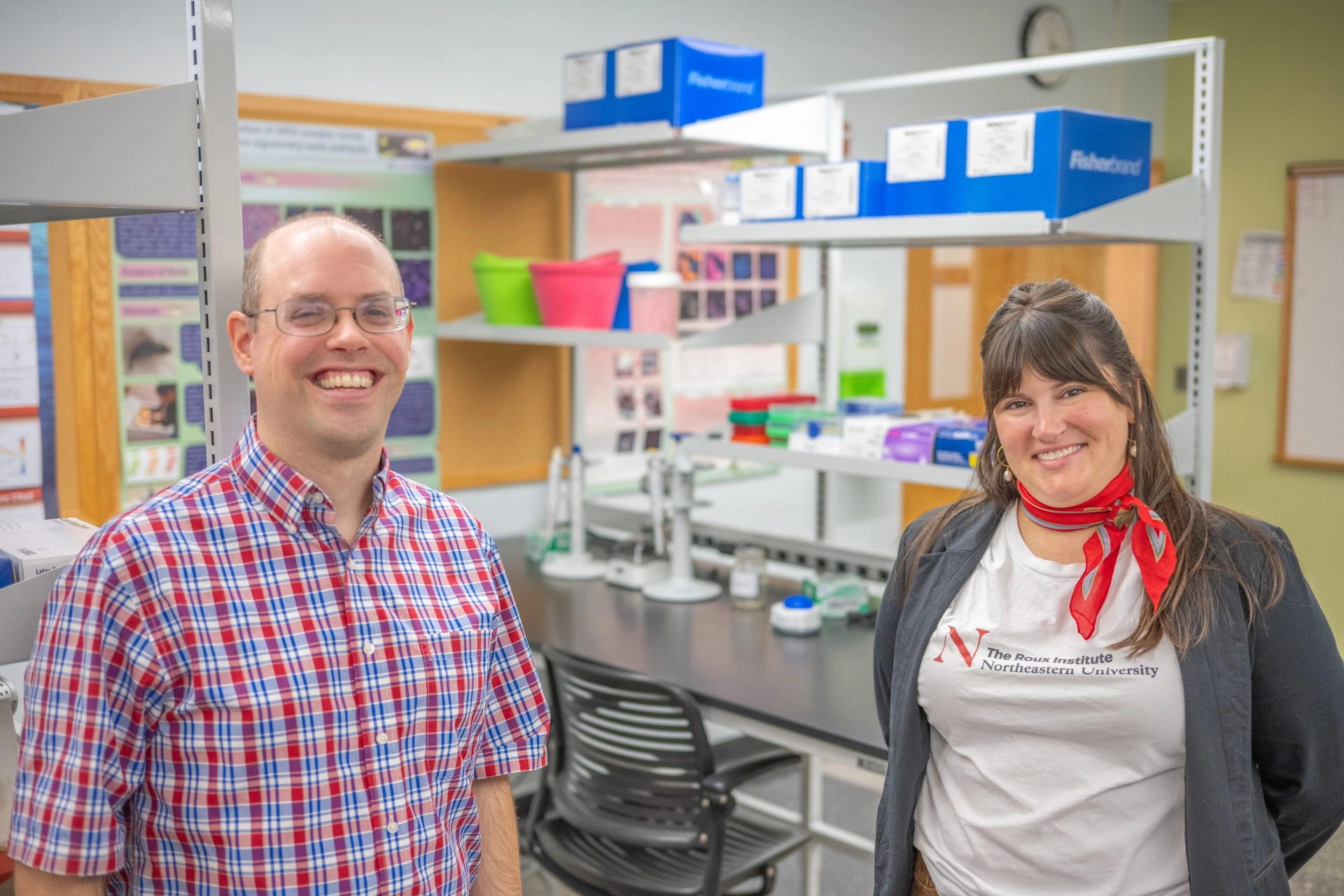
Image: https://farmington.edu/app/uploads/2026/10/RP267-010B2.webp
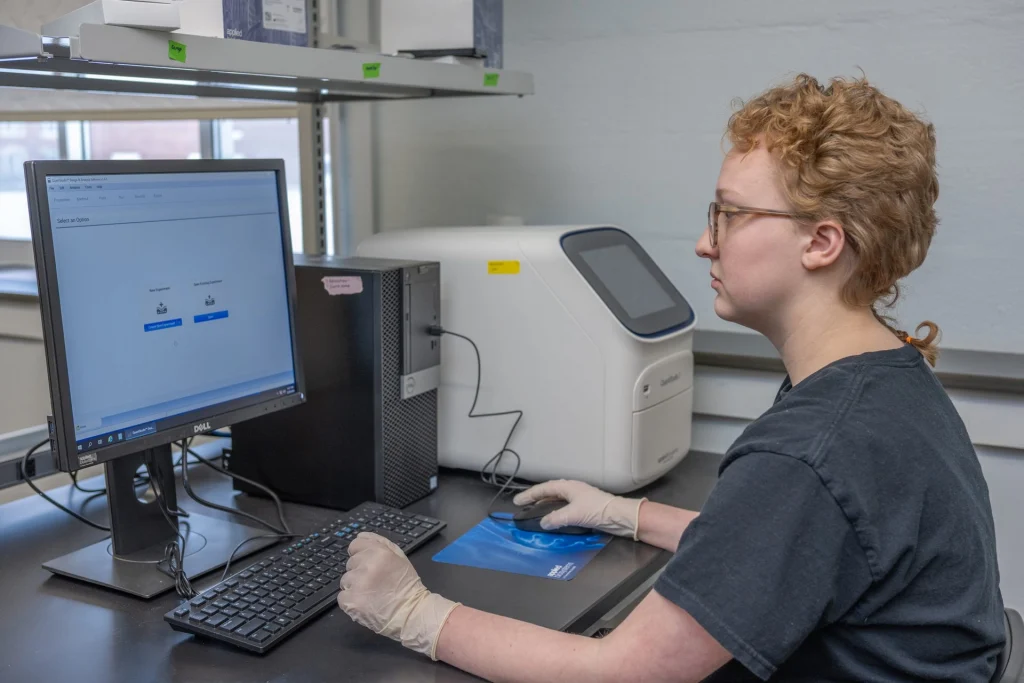
Photo Caption: UMF student Nora Hull uses a new quantitative PCR machine to test DNA samples in the newly renovated biotechnology training and research laboratory on campus.
Photo Credit: UMF Image
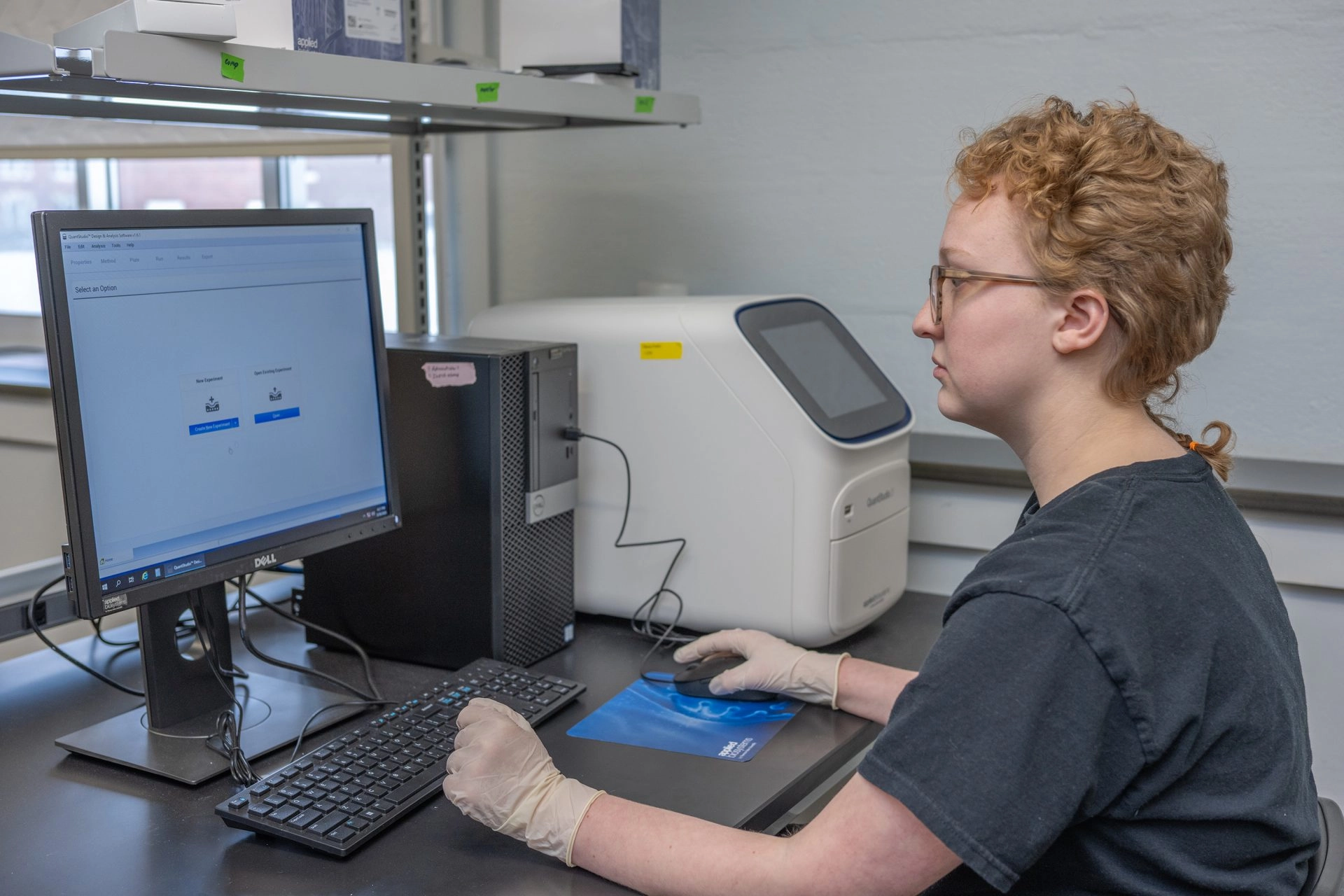
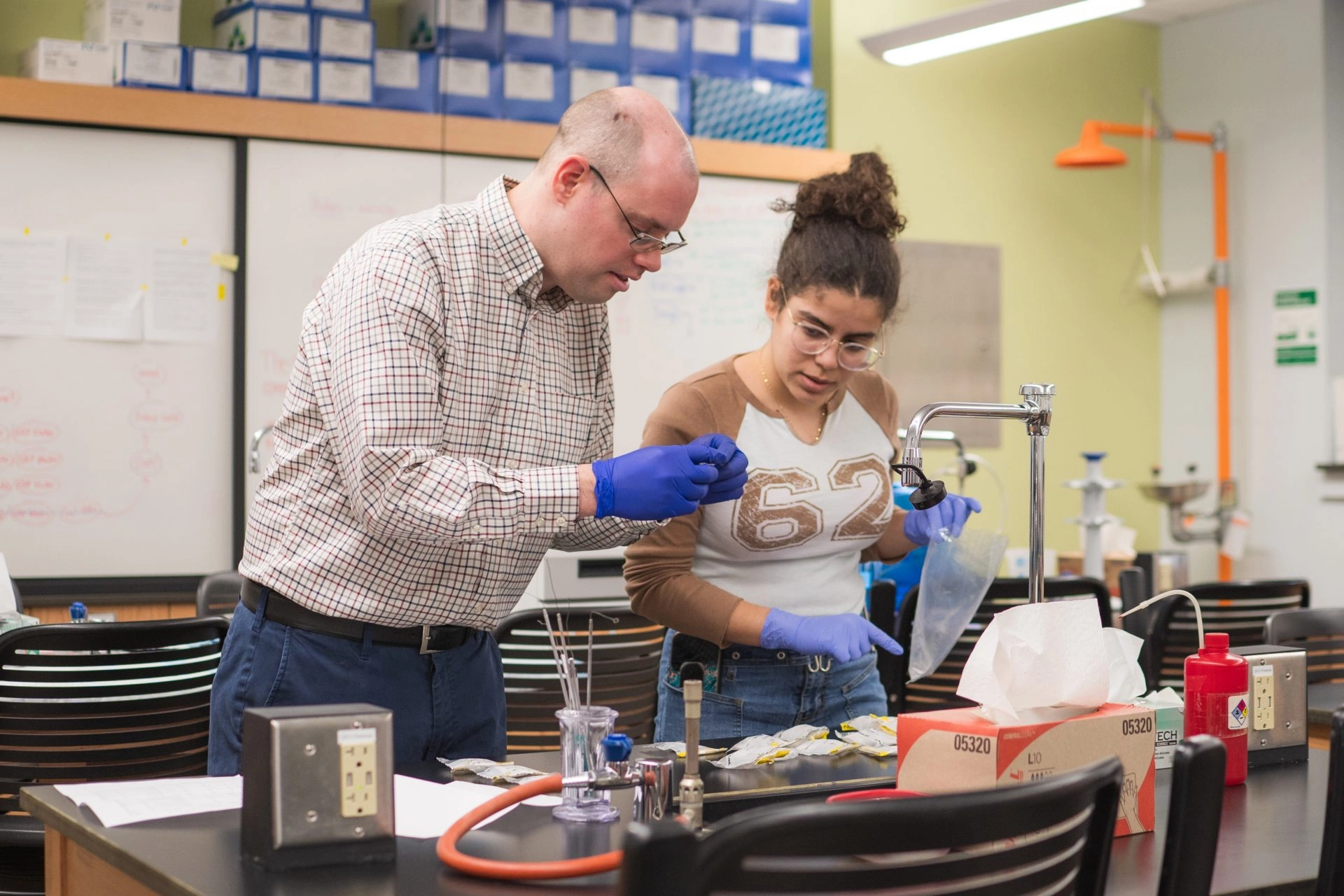
Image: https://farmington.edu/app/uploads/2026/10/RP267-010C.webp
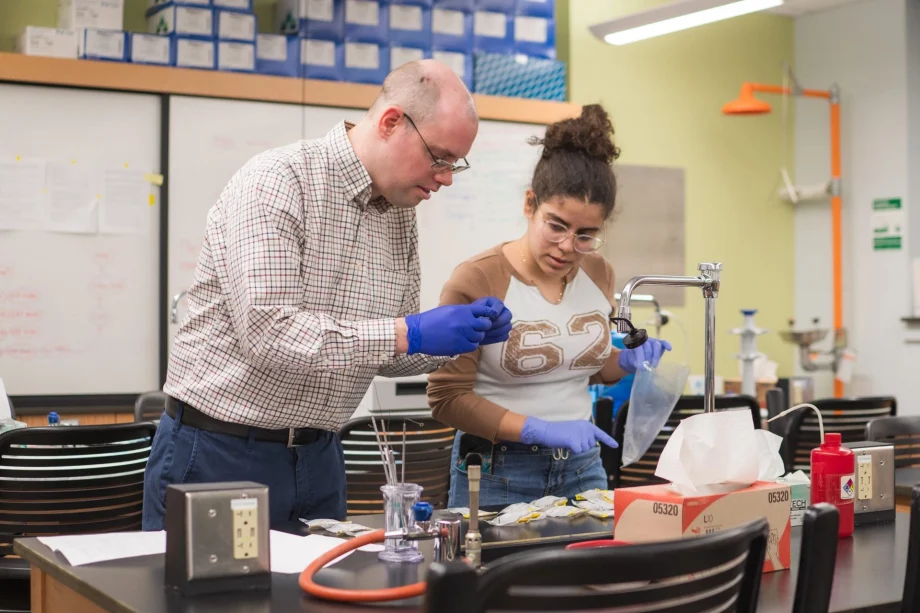
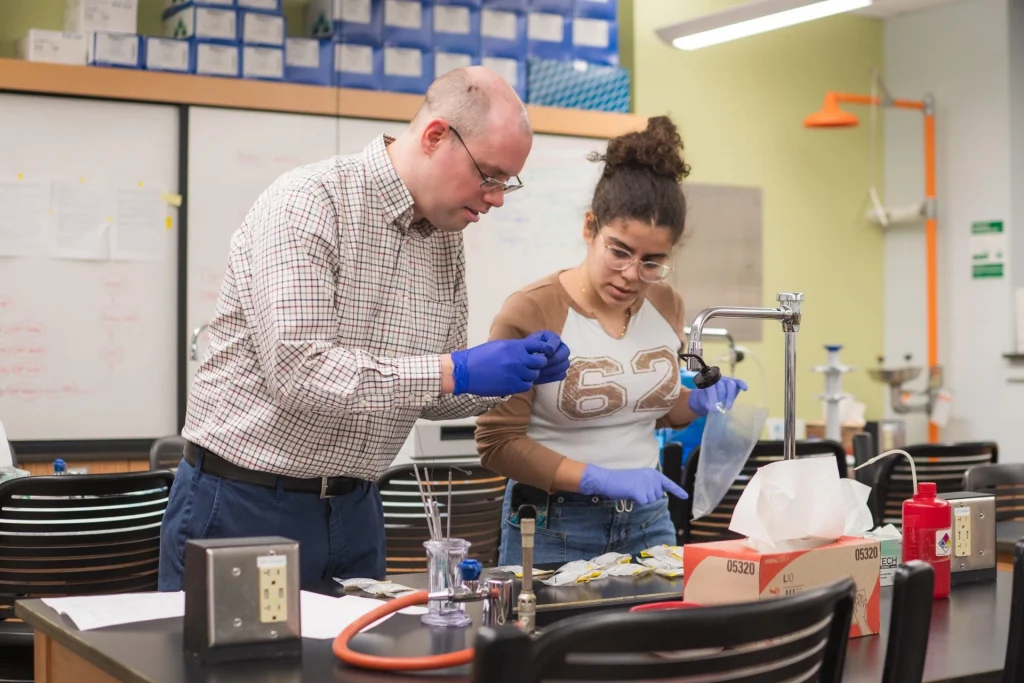
Photo Caption: UMF Associate Professor Dr. Timothy Breton (left) and UMF student research assistant Maria Eduarda Oliveira preparing tissue samples for molecular research.
Photo Credit: UMF Image
Share this article: