UMF awarded NSF grant to create Western Maine snowpack monitoring network in collaboration with Northeastern Snow STORE project
FARMINGTON, ME (September 23, 2026)—The University of Maine at Farmington has recently been announced as a collaborator in “Snow STORE” (Science and Technology for Operations, Research, and Economic Development in Northern New England), a four-year National Science Foundation (NSF) research grant to monitor snowpack, especially at higher elevations, in Vermont, New Hampshire and Maine.
Maine’s winter snowpack is essential to the State’s thriving winter tourism economy, unique ecology, and ways of life. However, comprehensive information on snowpack, and how it changes across seasons, does not exist for New England, and Snow STORE, a regional partnership, has emerged to better understand New England snowpack and its economic importance.
UMF professors Julia Daly and Rachel Hovel have been awarded $634,000 from the NSF grant to install and maintain an integrated network of high-resolution snowpack monitoring equipment in Maine that can provide up-to-date data to better understand high elevation snowpack depth and density and how it is changing over time.
“We are excited to build on our ongoing research on Northern Appalachian Mountain watersheds and collaborate with this excellent team to better understand mountain weather and snowpack and its importance to our region. This project also supports valuable training and professional development for our students, and highlights UMF’s connection to the mountains of the Northeast,” said Hovel.
Daly and Hovel have been researching and monitoring Maine’s high elevation ponds for more than a decade and have expanded to monitoring watershed conditions and regional snowpack as part of a three-year $178,000 Maine Economic Improvement grant they received in 2024. This research and the data from UMF’s ongoing Maine Mountain Ponds research project are providing them with long term datasets on high elevation conditions and year-round data in remote lakes.
While some snowpack monitoring exists at lower elevations, mountain conditions cannot be reliably assessed from valley-floor stations. Mountain snowpack holds high recreational and economic importance and monitoring high-elevation snowpack is additionally critical for reliable flood forecasting and emergency management.
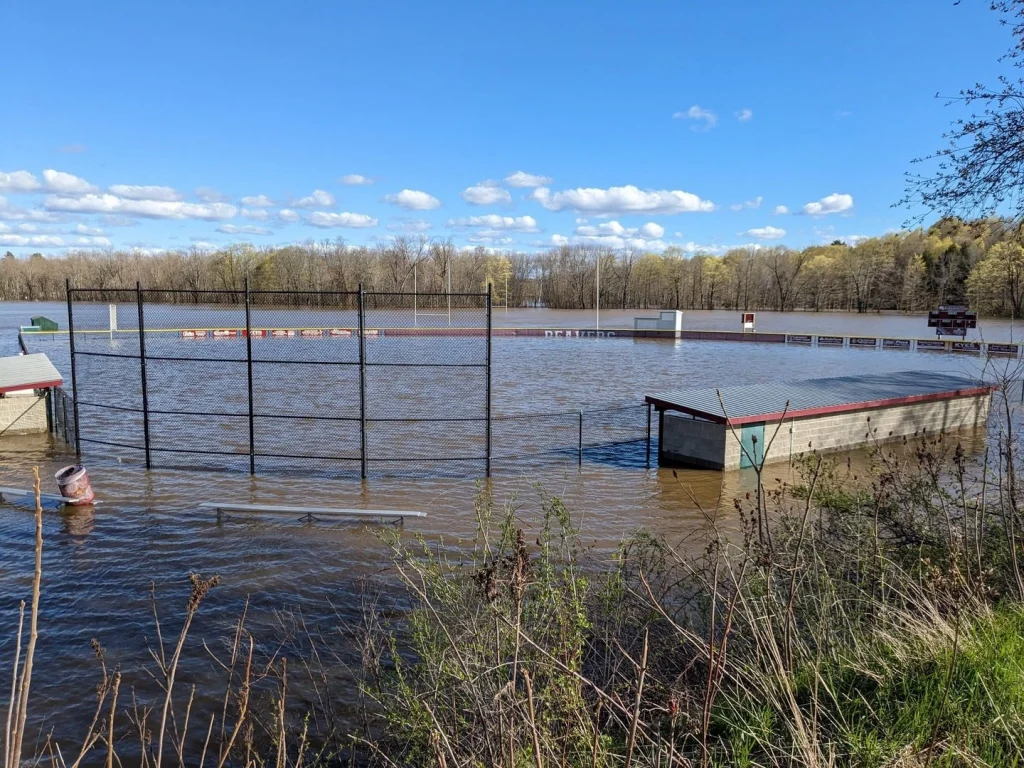
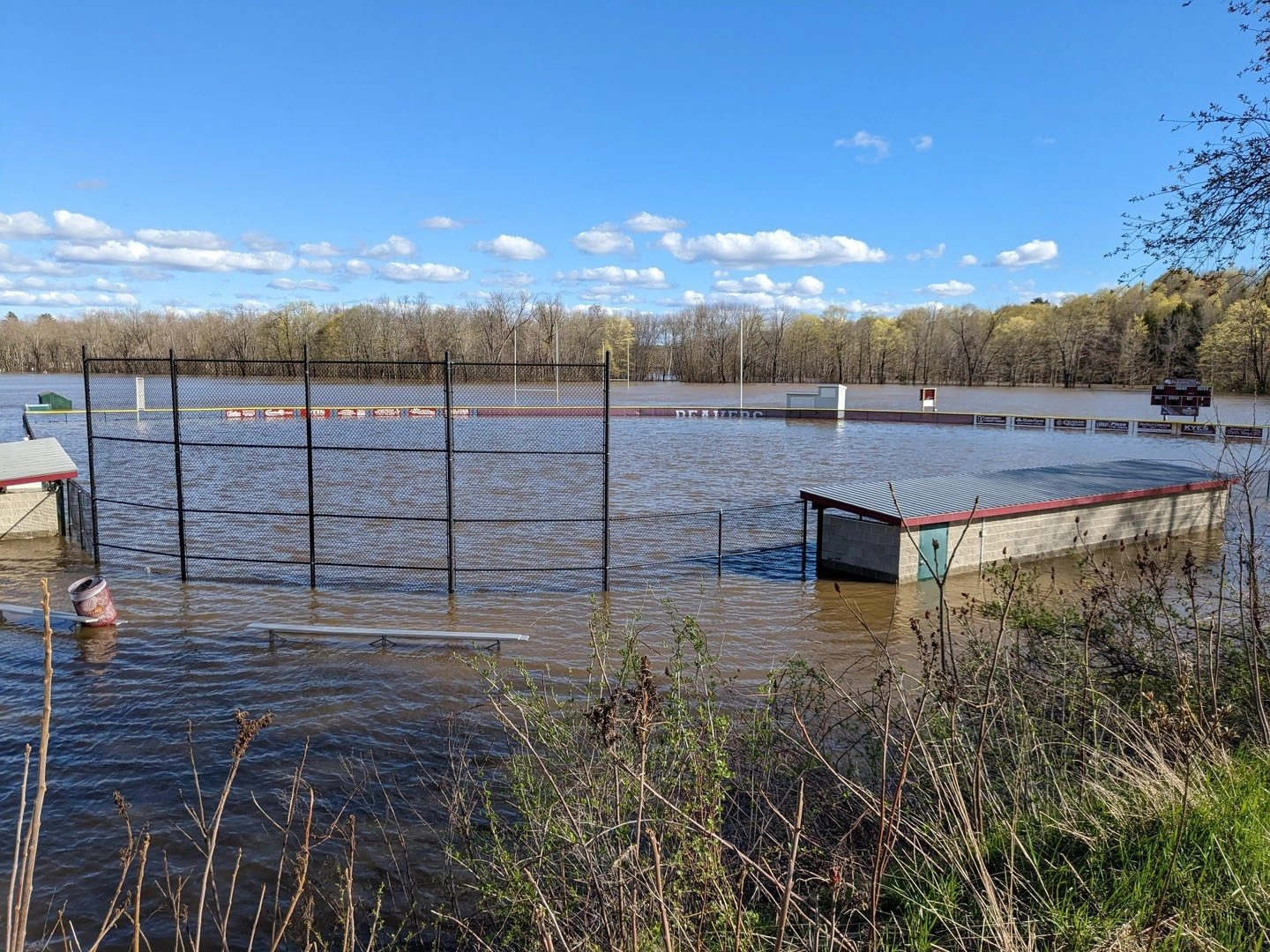
For example, according to the U.S. Geological Survey (USGS), a December 2023 rainstorm fell on existing snowpack in western Maine’s mountainous terrain and caused catastrophic flooding throughout the state. Snowpack monitoring from the Snow STORE project will be shared with partners including the Northeast River Forecast Center, to improve flood forecasting and warning systems and understand infrastructure requirements for handling these kinds of events.
UMF’s Snow STORE award supports the expansion of high-resolution snowpack monitoring with equipment installation and maintenance at a network of six high-elevation locations in western Maine. Each of these monitoring stations will also be located near a mountain lake where existing aquatic monitoring takes place to examine relationships between snowpack and ecological conditions.
Combined with the other Snow STORE partners, these data will be a part of a regional monitoring system similar to SNOTEL in the western U.S., an automated snow network with more than 900 stations across the western states that has been operating since the 1970s.
Snow STORE funding will also support significant training and professional development for UMF students, including research engagement, mentoring opportunities and workforce development through interdisciplinary undergraduate curriculum initiatives.
It will support 12 paid positions for undergraduate research students, as well as internship positions with the Appalachian Mountain Club. These students will be trained in skills required for careers in environmental technologies, data management and analysis techniques related to natural resource management.
Specifically, students employed in this project will receive training in environmental sensor deployment and maintenance, field safety, standardized aquatic and terrestrial sampling protocols, managing and analyzing large datasets and communicating results in multiple professional formats.
The Snow STORE grant is a $5.9 million project led by the University of Vermont and the University of New Hampshire with collaboration by the Vermont State Colleges, the University of Maine at Farmington, the University of Maine and the Mount Washington Observatory.
More on University of Maine at Farmington
A nationally recognized regional public university known for its commitment to the creative arts, teacher preparation, the health arts and sciences, the environment, business and public service, UMF provides a challenging yet supportive environment to prepare students for both careers and further study. Located in the heart of Maine’s four-season outdoor recreational region, UMF is a welcoming, close-knit academic community that prepares students for enriching professional careers, engaged citizenship and an enduring love of learning.
# # #
EDITOR’S NOTE:
Image: https://farmington.edu/app/uploads/2026/09/RP267-007A.webp
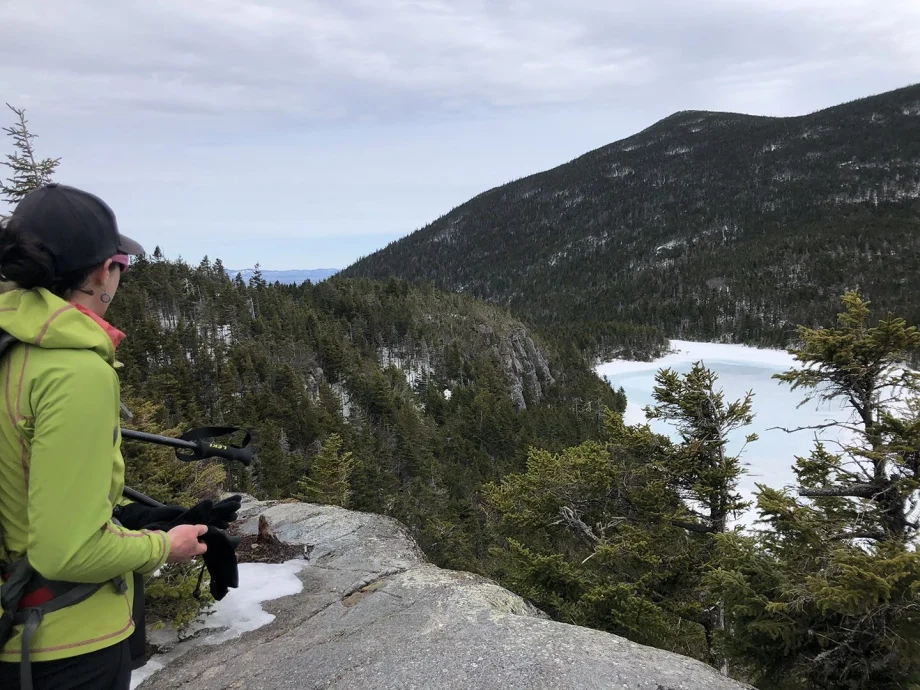
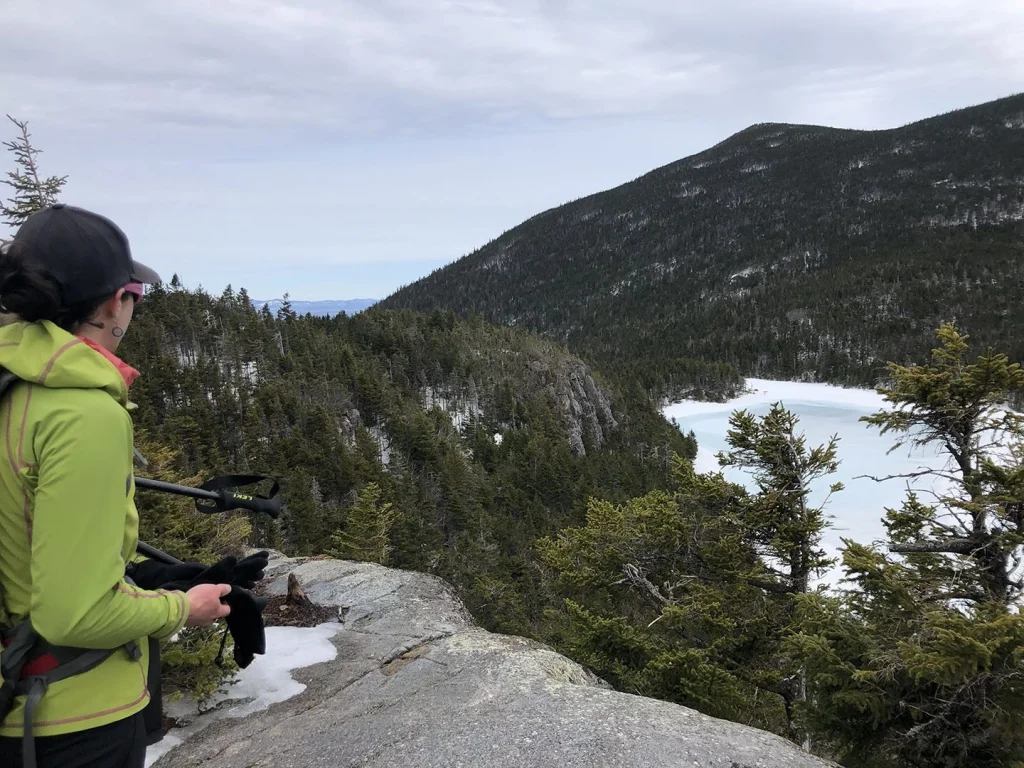
Photo Caption: UMF Professor Rachel Hovel overlooks Horns Pond, located at 3,130 feet in the Bigelow mountain Range in Wyman Township, Franklin County. The area is one of Hovel and Daly’s current snowpack monitoring sites.
Photo Credit: UMF Image
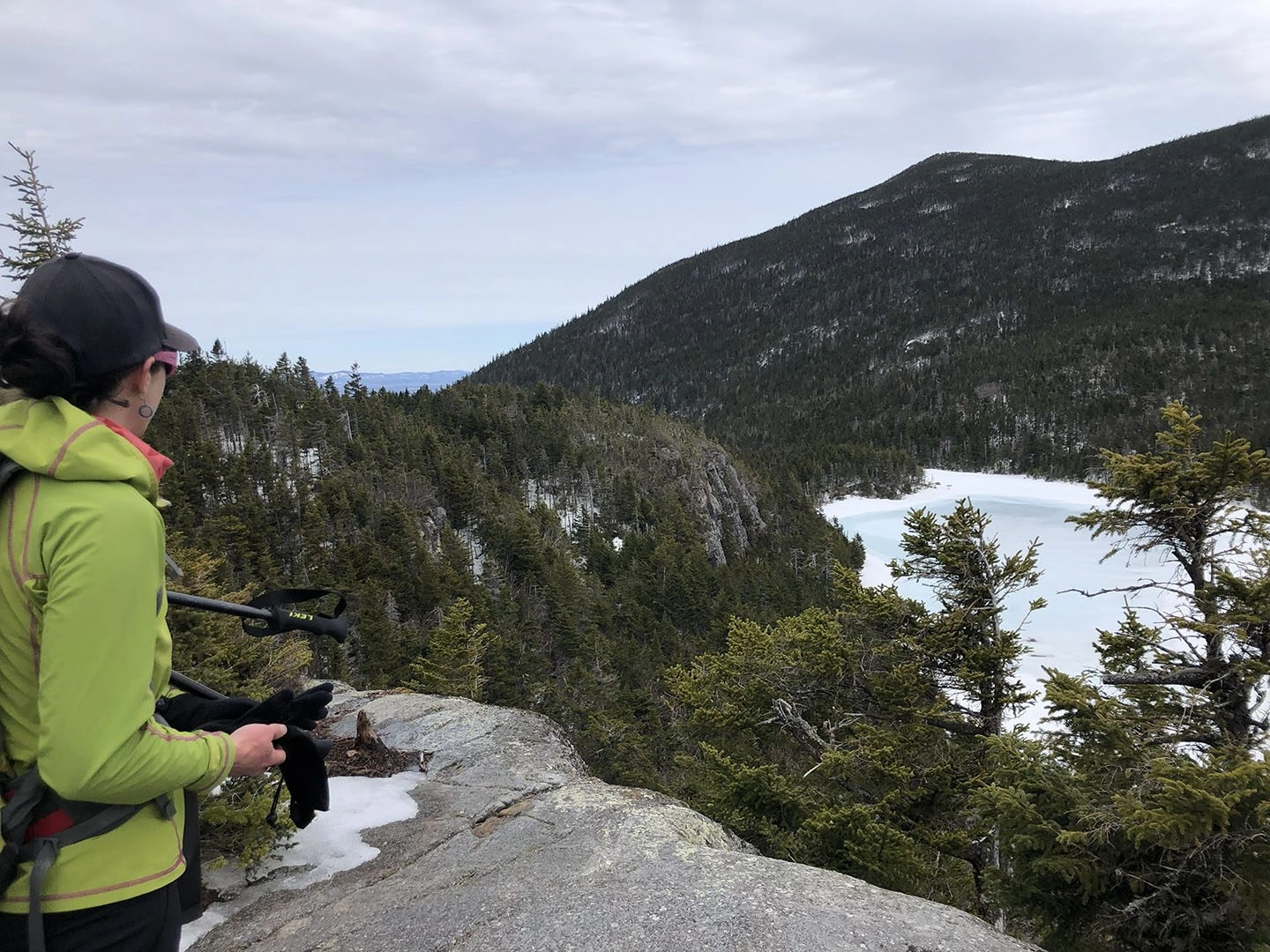
Image: https://farmington.edu/app/uploads/2026/09/RP267-007B.webp
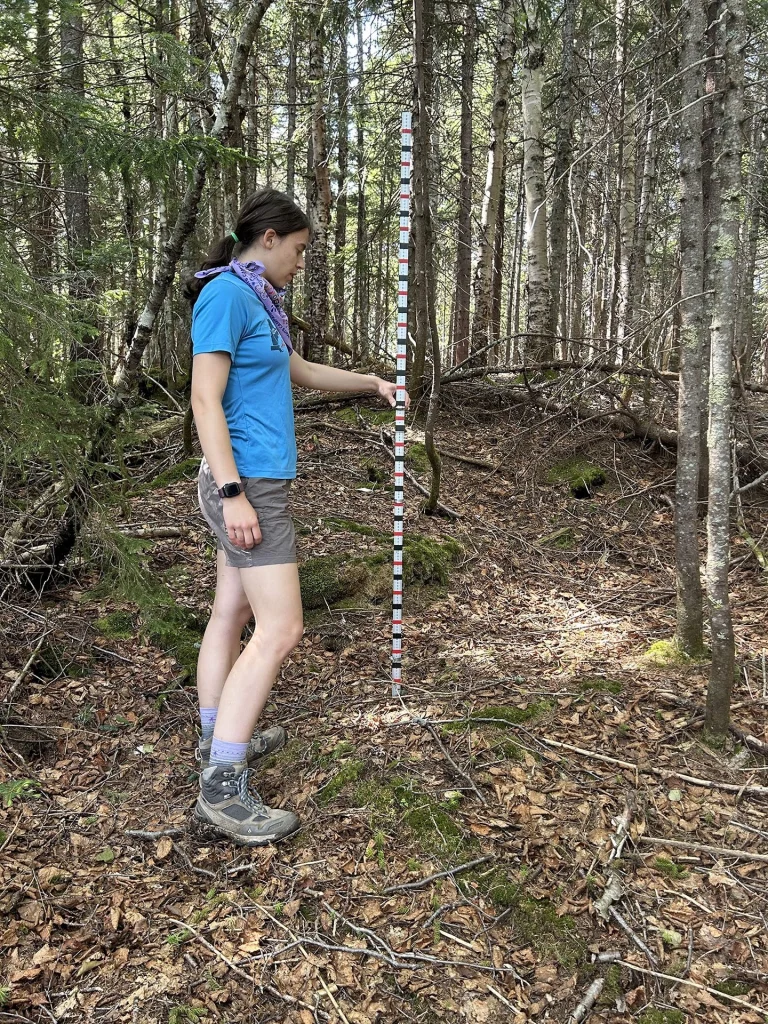
Photo Caption: UMF senior Cora Treiss from Berlin, N.H., worked as a summer research assistant on the Maine Mountain Ponds project setting up new snow monitoring sites.
Photo Credit: UMF Image
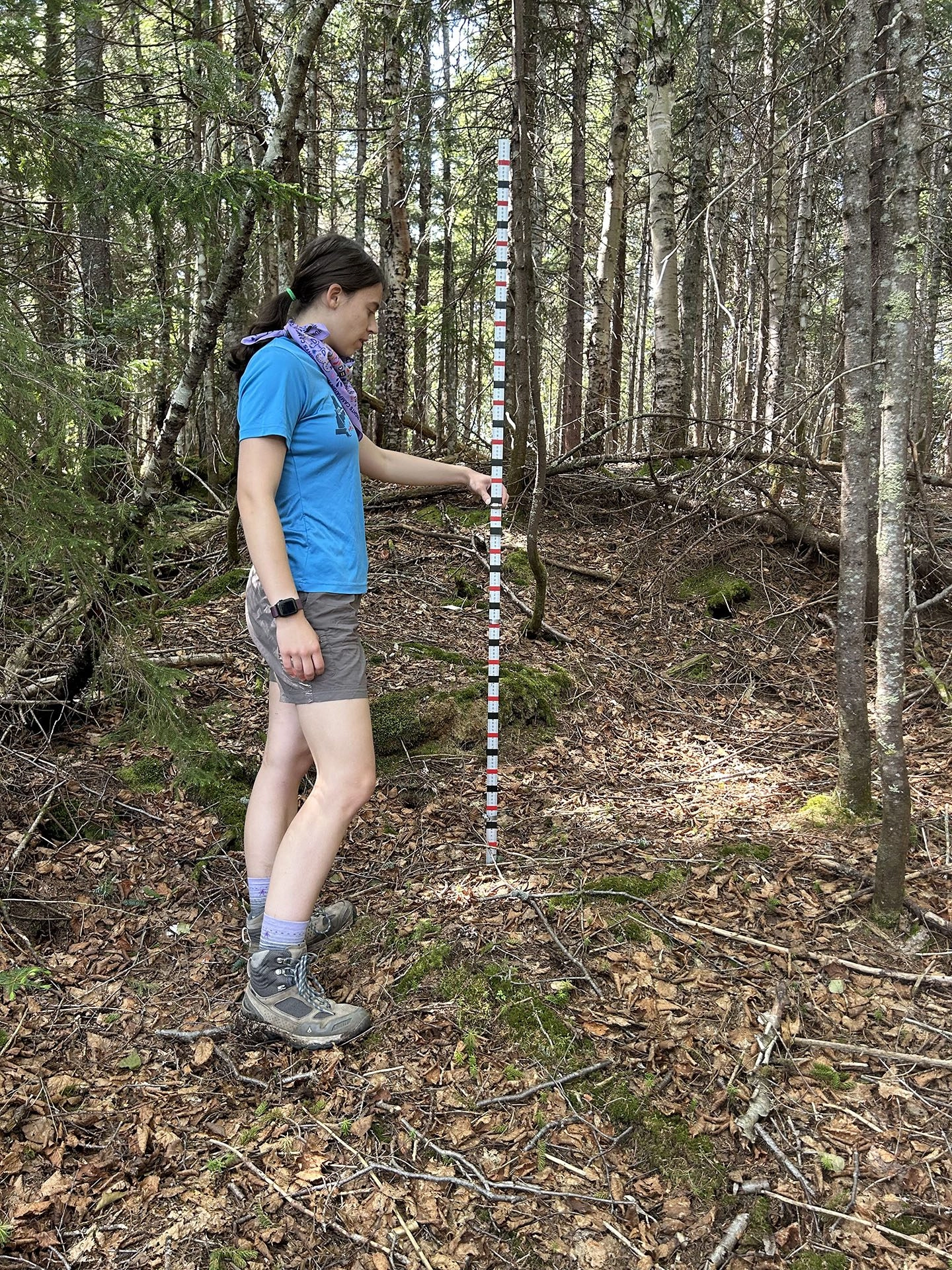
Image: https://farmington.edu/app/uploads/2026/09/RP267-007C.webp
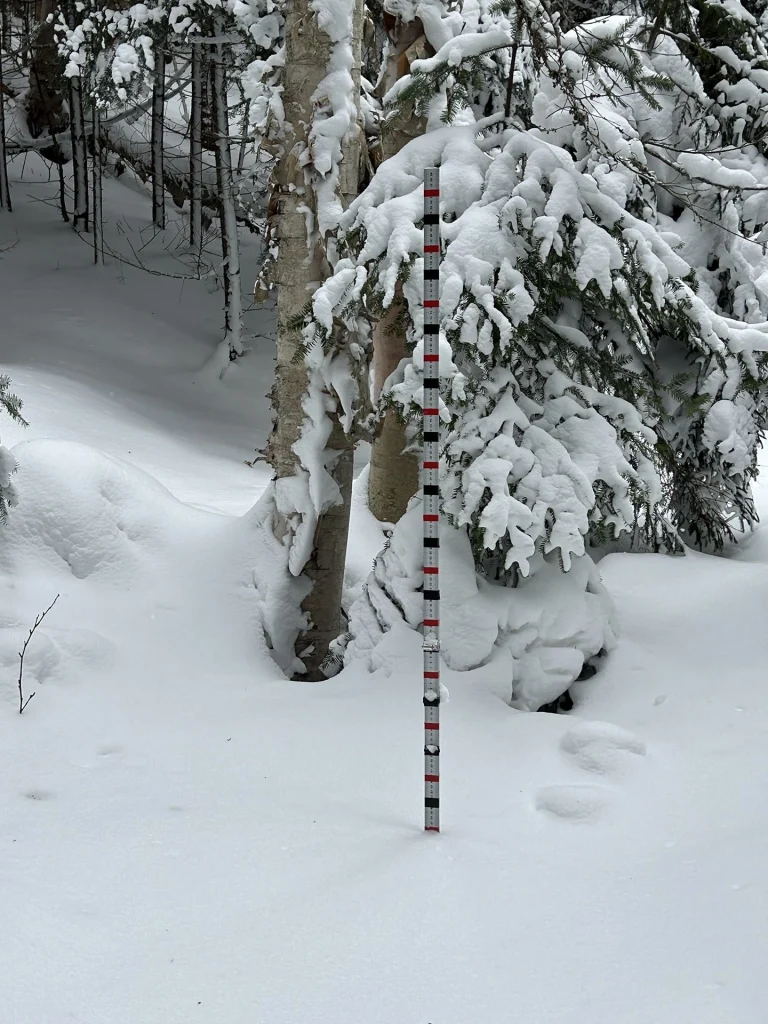
Photo Caption: UMF snow monitoring site near Mountain Pond, south of Rangeley Lake
Photo Credit: UMF Image
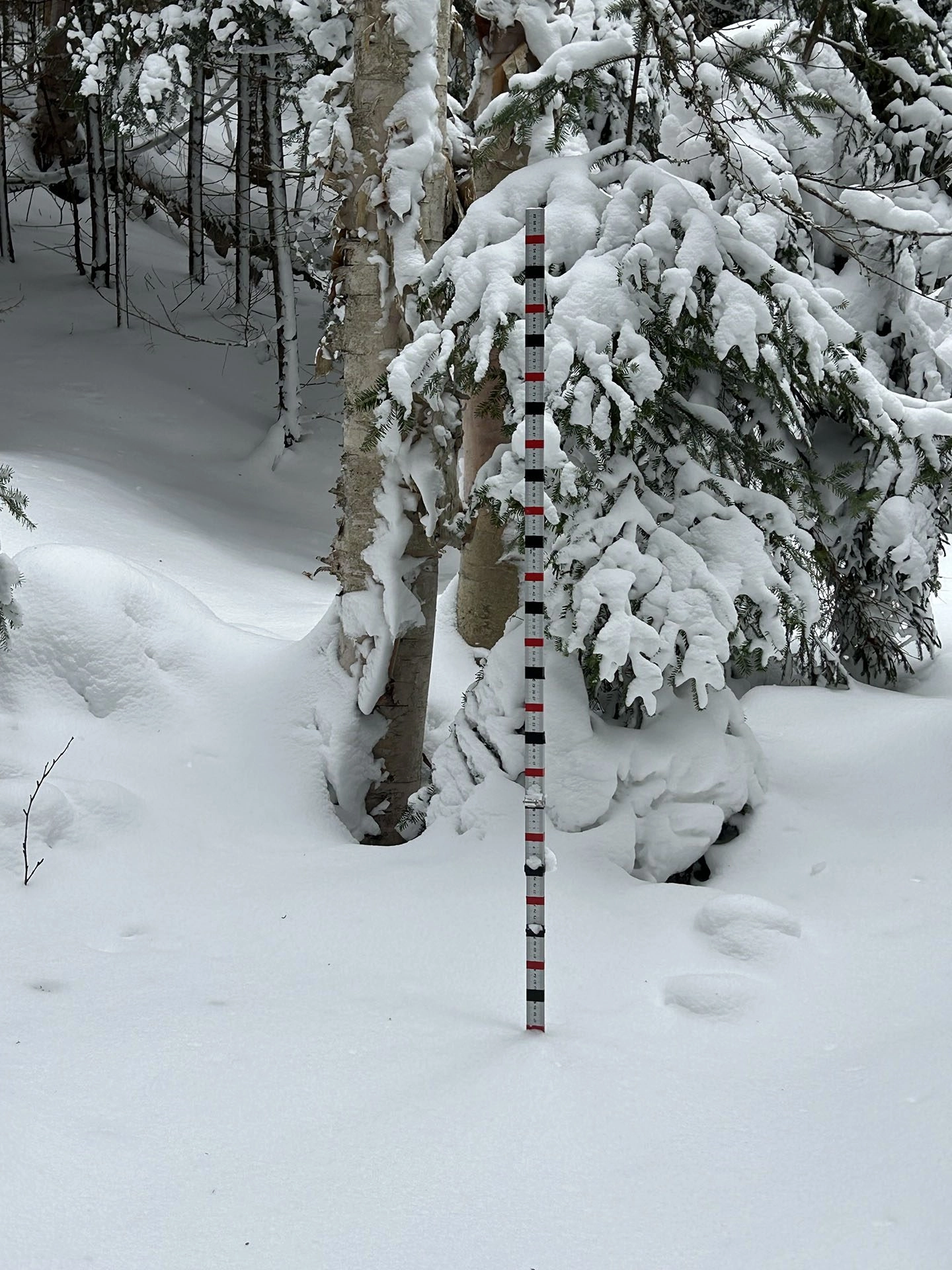
Image: https://farmington.edu/app/uploads/2026/09/RP267-007D.webp
Photo Caption: 2023 flooding in UMF Prescott Field
Photo Credit: UMF Image
Share this article: