UMF graduating senior and Jay native sees career in Bioscience take flight
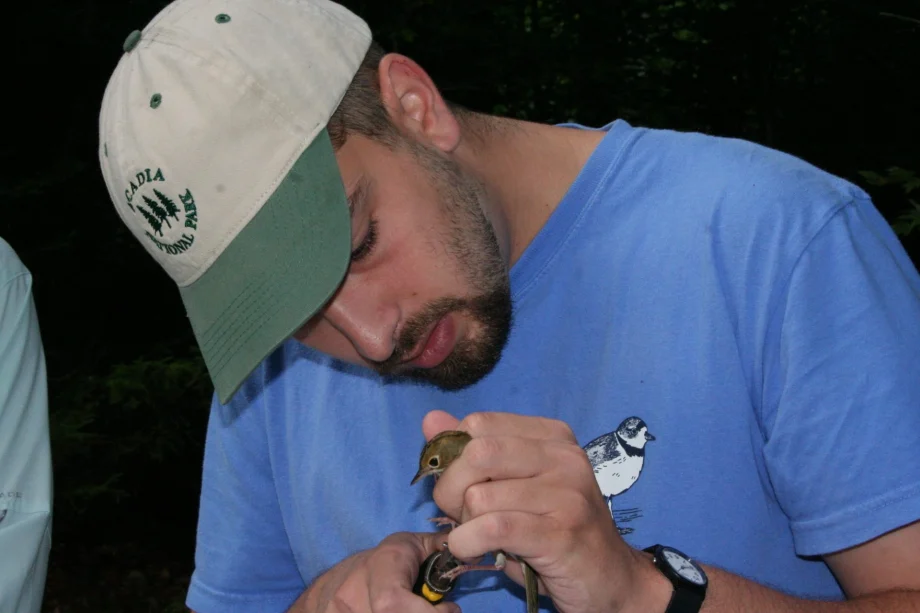
FARMINGTON, ME (May 4, 2026)—Spencer Brennick, Jay native, was looking for a reason to get excited about his future. It was his second try at college when he received an email from UMF Biology Professor Sarah Sloane, an avian behavioral ecologist, looking for students interested in a five-week fieldwork internship with her long-term research project in Oregon studying a tiny bird called the bushtit.
Brennick reached out to Sloane and was accepted as an intern. He had always been interested in ecology, the interaction of living organisms and their environment, and was intrigued about getting out of the classroom and into a natural, real-world learning environment.
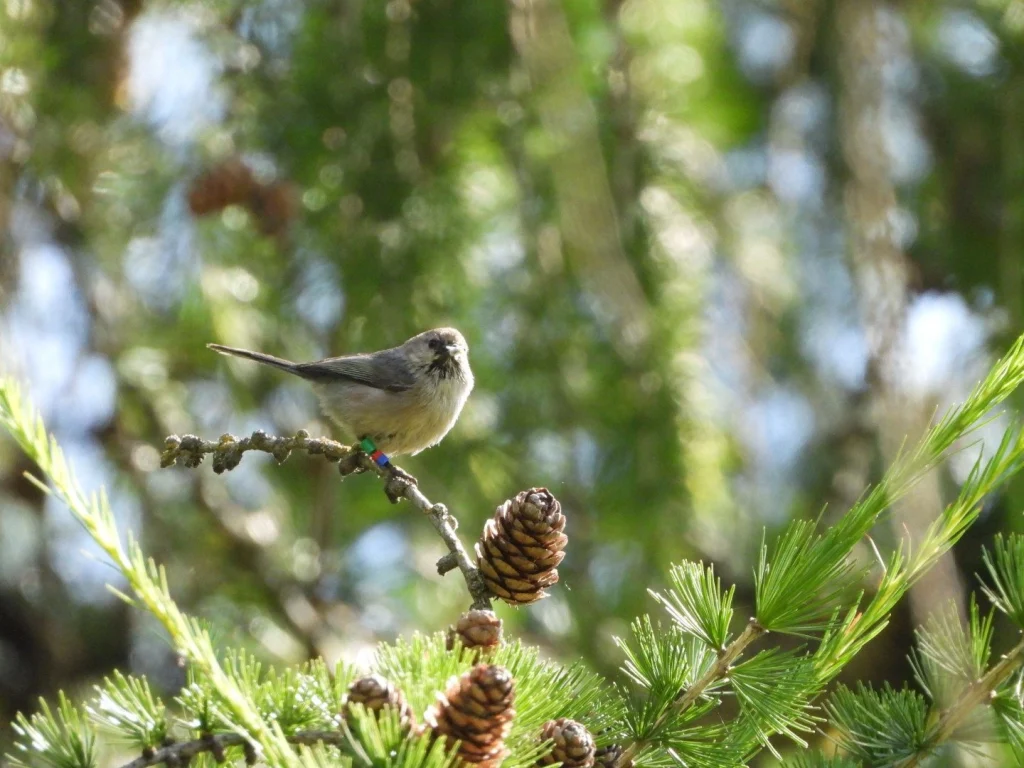
“That experience changed everything for me,” said Brennick. “I was fascinated to learn that these birds have a complex social system including co-parenting to provide nesting material and feeding their young. I was hooked on pursuing fieldwork to learn everything about birds and how a healthy bird population is vital for ecological balance.”
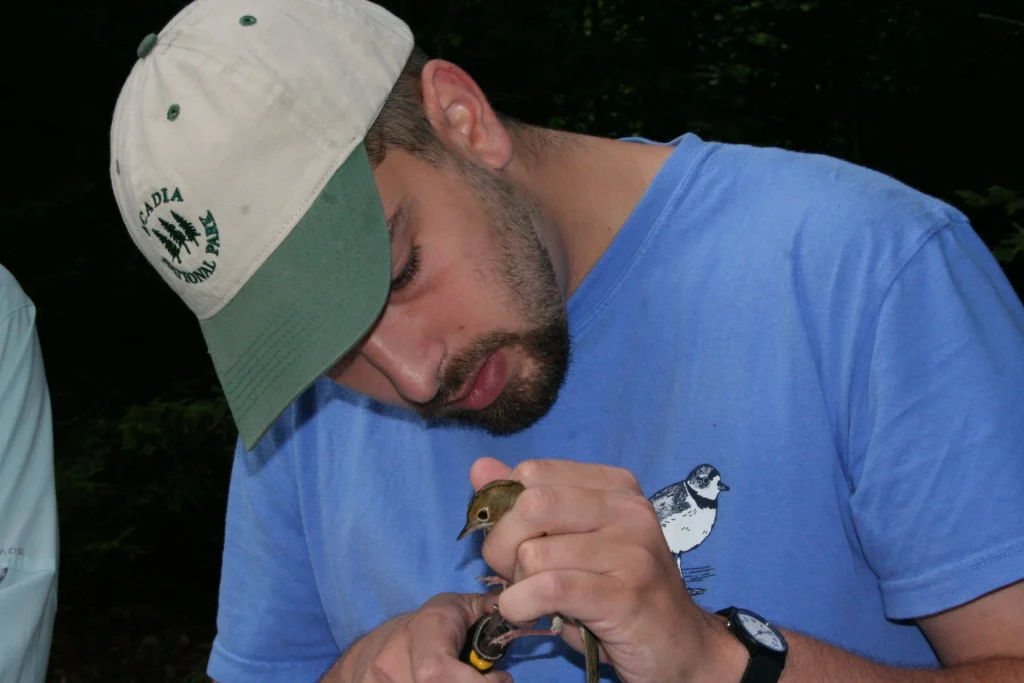
According to the National Audubon Society, a healthy bird population provides critical ecosystem services such as pest control, pollination, fertilizing and seed dispersal. Birds act as environmental indicators, signaling ecosystem health and warning of pollution.
His next opportunity quickly followed with a field course with UMF Biology Professors Donelle Schwalm and Evan Jackson that included learning proper bird capture and handling techniques. These new skills opened the door for Brennick to work with Maine Audubon on their Coastal Bird Project helping protect Maine’s piping plovers to ensure the safety of the endangered birds during their nesting season.
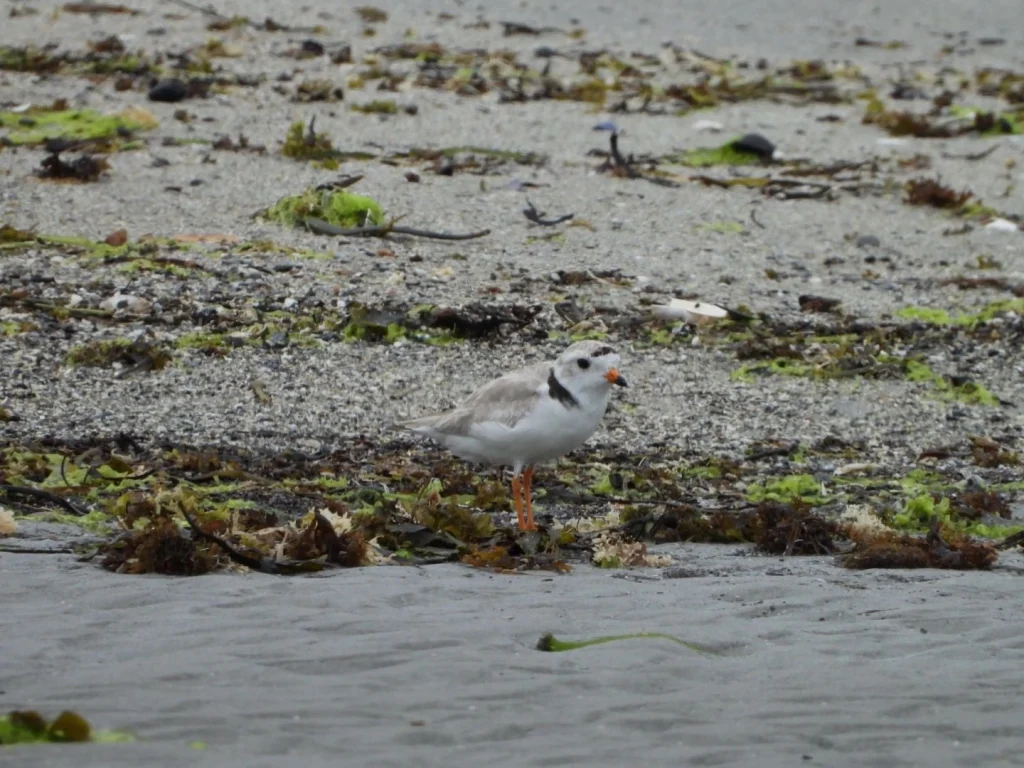
“Spencer was such a great addition to Maine Audubon’s Coastal Birds Crew last summer,” said Laura Williams, Wildlife Biologist, Maine Audubon. “He took to the job quickly and found many piping plover nests by observing their behavior and following tracks in the sand. His joy for birding was embraced by all team members, with him frequently identifying any and all bird species on our way to field sites and teaching others how to do so.”
Fieldwork provides firsthand, real-world experience, allowing students to apply classroom theories to practical situations while building professional networks, enhancing resumes, and strengthening technical and employability skills like problem-solving, adaptability and critical thinking.
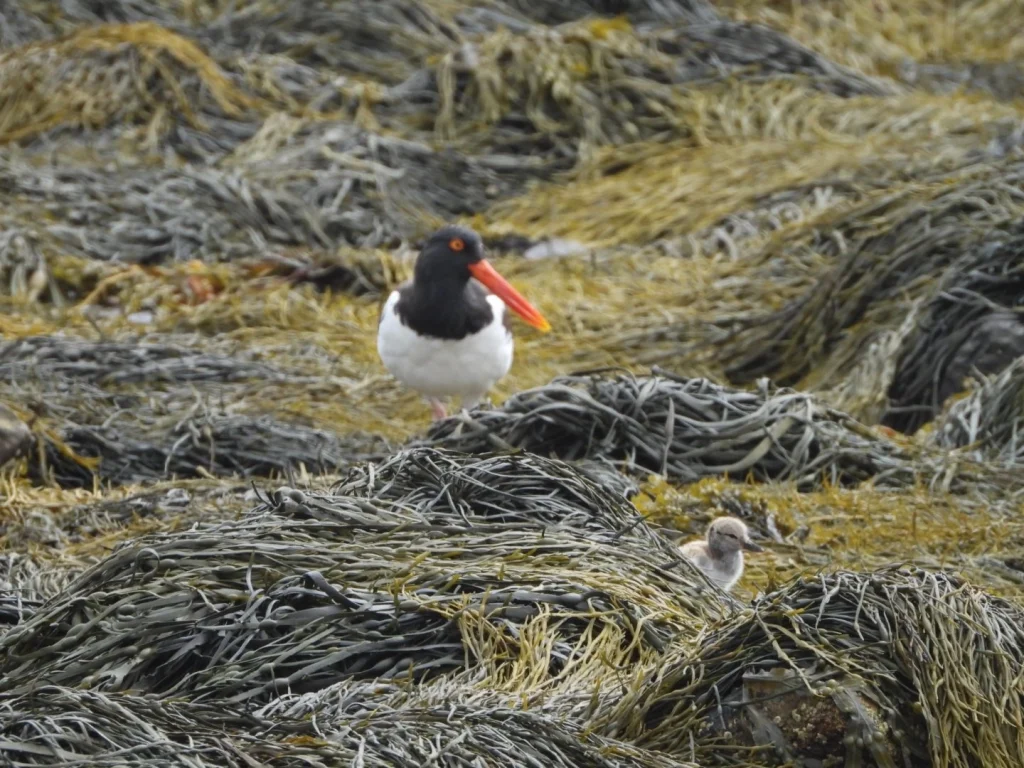
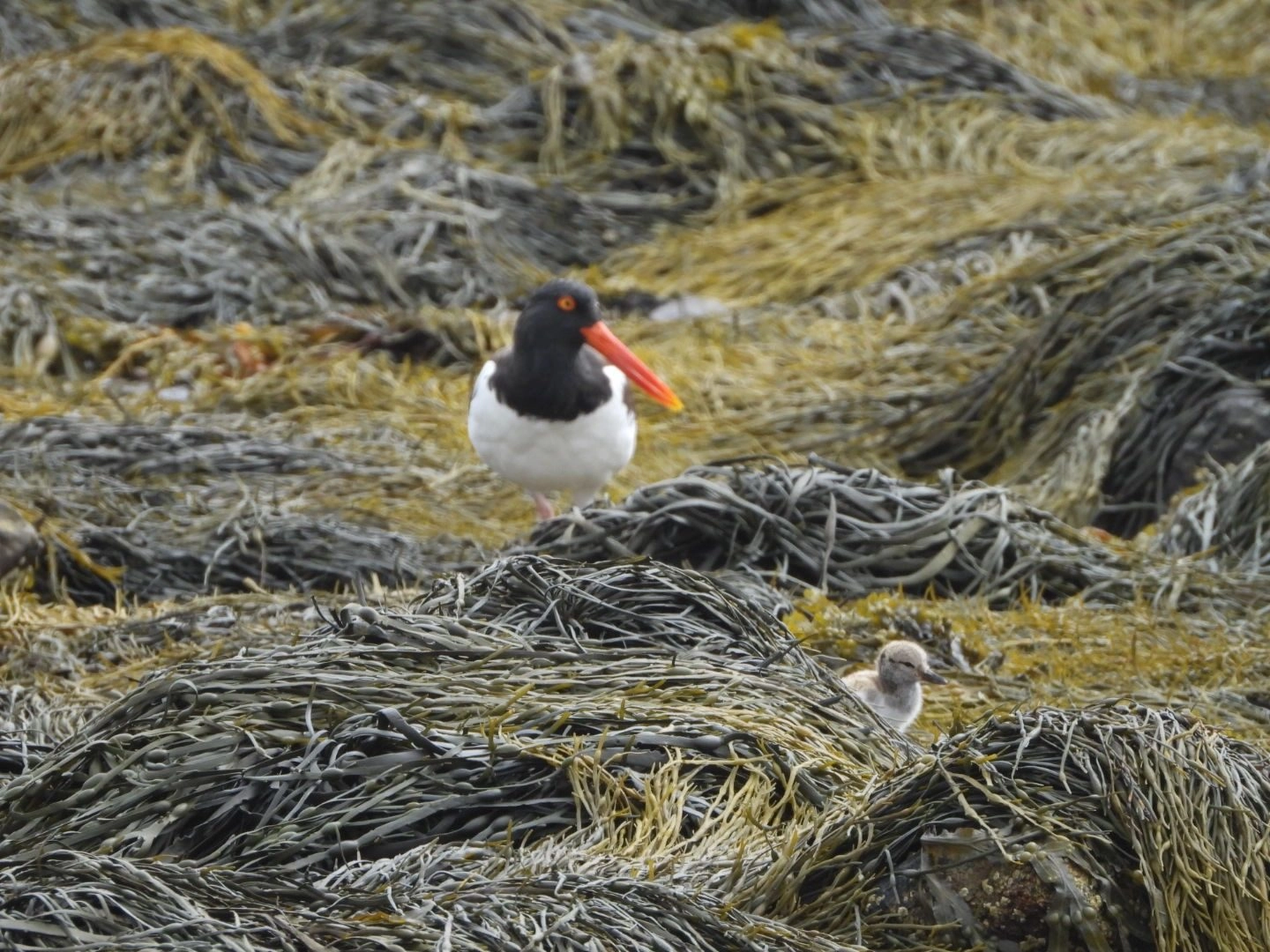
It also can provide researchers with the opportunity to observe unique species rarely seen in nature. When working on the Maine coast, Brennick and a colleague had the chance to see one of only 10 pair of Maine American oystercatchers and their chick in their intertidal habitat. He also worked as a guide at Western Maine Audubon’s Rangeley Bird Festival for three days where Bicknell’s thrush, a rare high-elevation songbird, can only be found above 3,000 feet.
“These rare experiences in the field are such a great honor. In addition, each of my fieldwork opportunities enabled me to connect with professionals in the field and build a network of colleagues. It’s a great feeling. You feel secure in your career decision and realize how well you fit in,” said Brennick.
During his senior year, Brennick was selected as a UMF Wilson Scholar for which he conducted an original research project on “The Effects of Calls on Foraging in Feeder Birds.” His study, presented at the University’s annual Symposium showcase, observed that chickadees are the dominant sentries at bird feeders and that their alarm receives a cross-species response.
“Spencer is tirelessly enthusiastic about birds and gaining practical field experience with bird ecology,” said Evan Jackson, faculty sponsor for Brennick’s Wilson Scholar research project. “He has really shined in all capacities, from classroom student to Teacher’s Assistant to research student. I am so proud of his success.”
Following his graduation in Biology from UMF, Brennick’s intern experience will continue this summer with Smithsonian’s National Zoo and Conservation Biology Institute’s Great Plains Science Program. This program conducts extensive research on bird density and habitat, particularly addressing the rapid loss of prairie in areas like North Dakota due to agricultural expansion.
Brennick will continue his studies at the University of the Pacific in Stockton, Calif., where he has been offered acceptance in a Master’s program in Bioscience, the study of living organisms and life processes. There, he will be taking over a research project on Human Dynamics in Urban Greenspaces—open-space areas reserved for parks and other spaces of greenery that are essential for both human well-being and biodiversity.
More on University of Maine at Farmington
A nationally recognized regional public university, the University of Maine at Farmington is known for its commitment to teacher preparation, the creative arts, health and science, environmental studies, business and public service. Located in the heart of Maine’s four-season outdoor recreational region, UMF provides a challenging but welcoming academic community—here in Farmington and online—that prepares students for enriching professional careers, engaged citizenship and an enduring love of learning.
# # #
EDITOR’S NOTE:
Image: https://farmington.edu/app/uploads/2026/05/RP256-036A.webp
Photo Caption: Brennick banding a bird in Flint Woods in Farmington. Each band has a unique number sequence that no other bird in the country has. It’s a way for ecologists to keep track of individual birds.
Photo Credit: Submitted Image
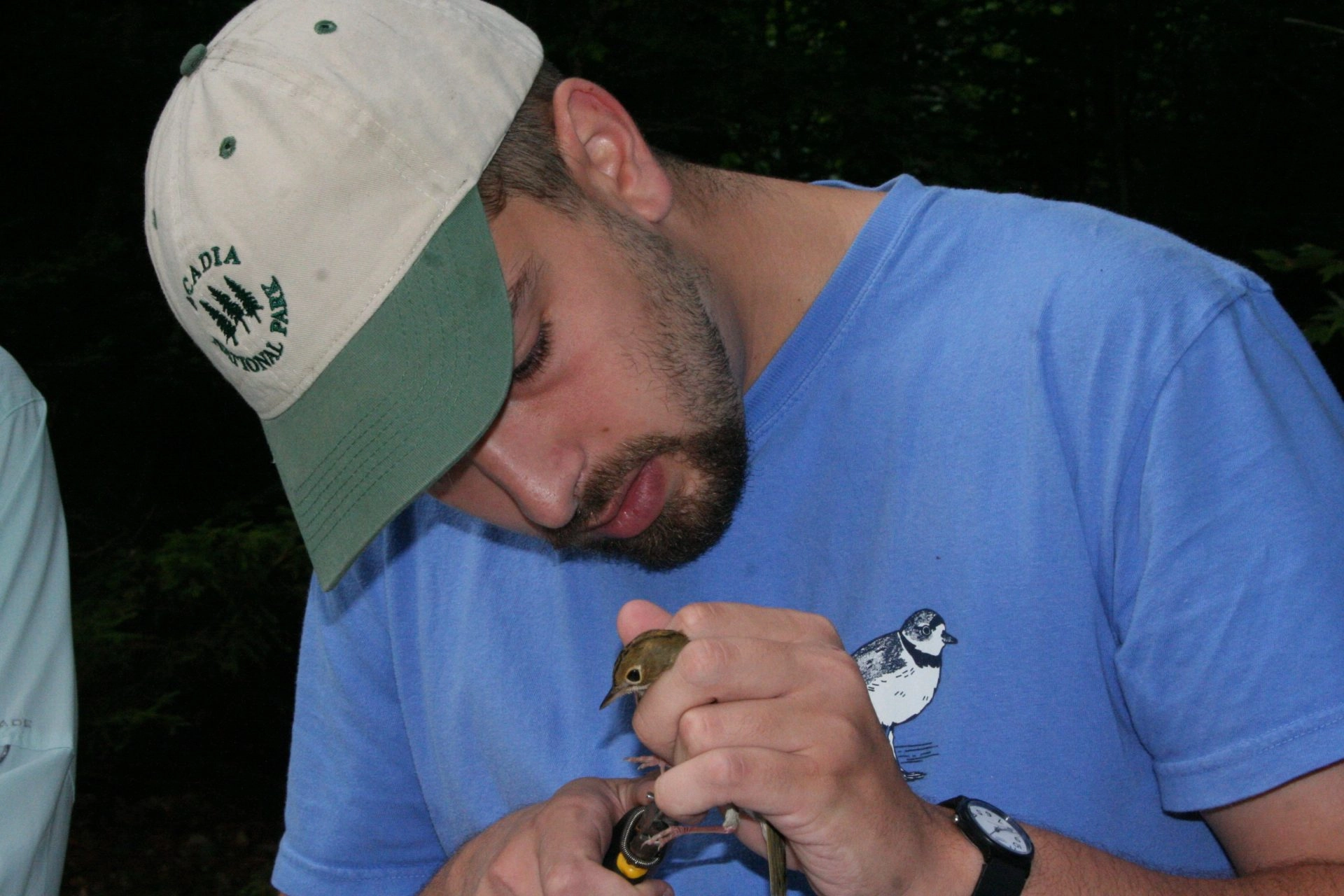
Image: https://farmington.edu/app/uploads/2026/05/RP256-036B.webp
Photo Caption: Long-term research study in Oregon studies a tiny bird called the bushtit and its complex social system.
Photo Credit: Submitted Image
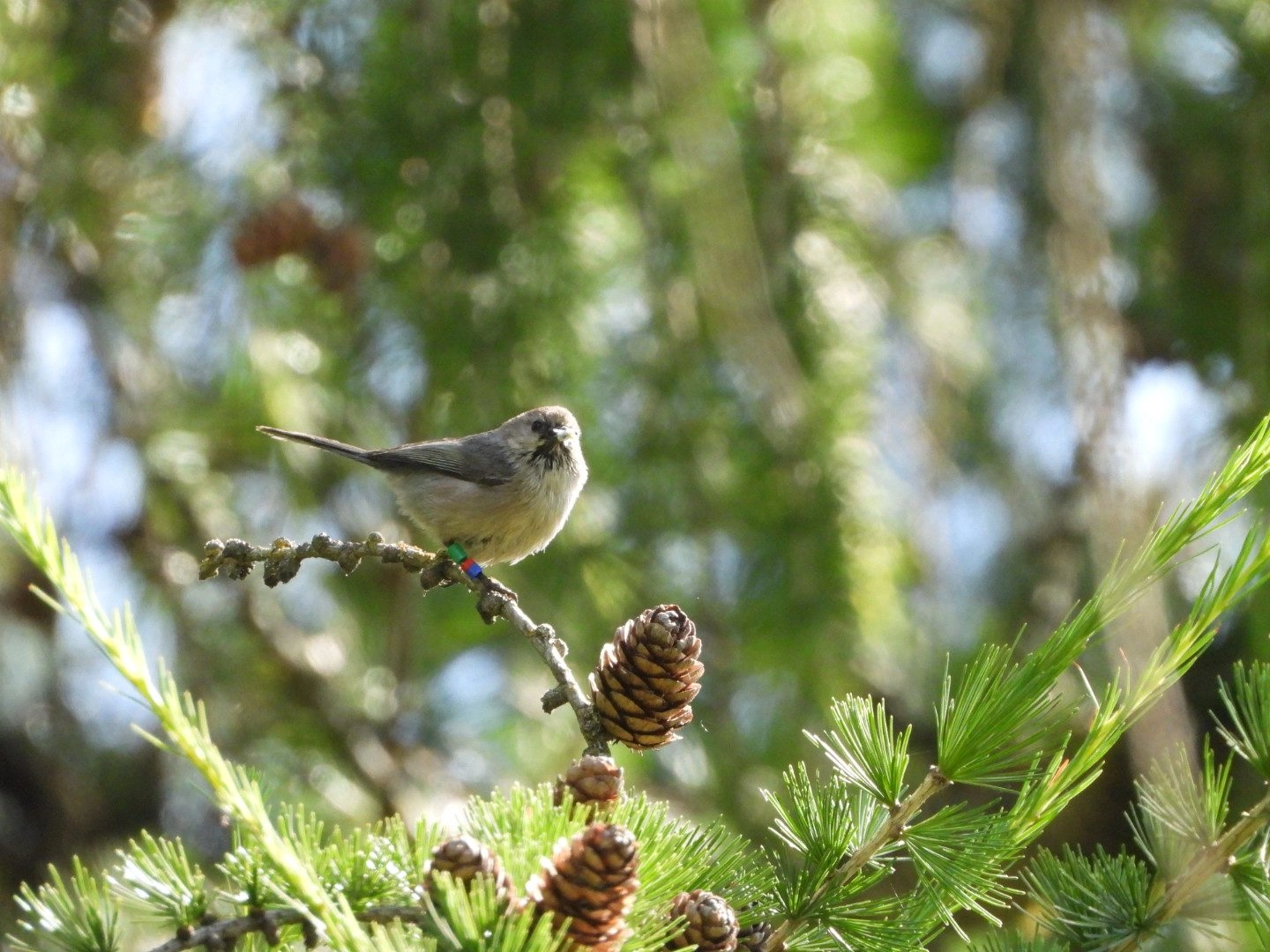
Image: https://farmington.edu/app/uploads/2026/05/RP256-036C.webp
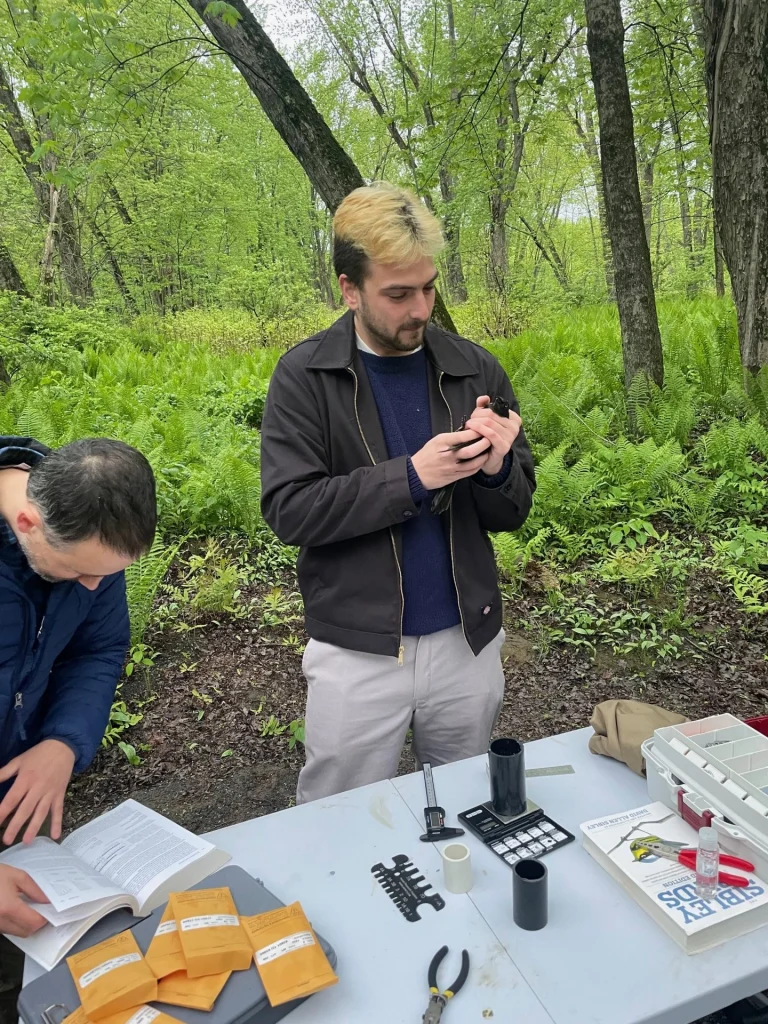
Photo Caption: Taking and recording measurements of birds on Sandy River Trails.
Photo Credit: Submitted Image
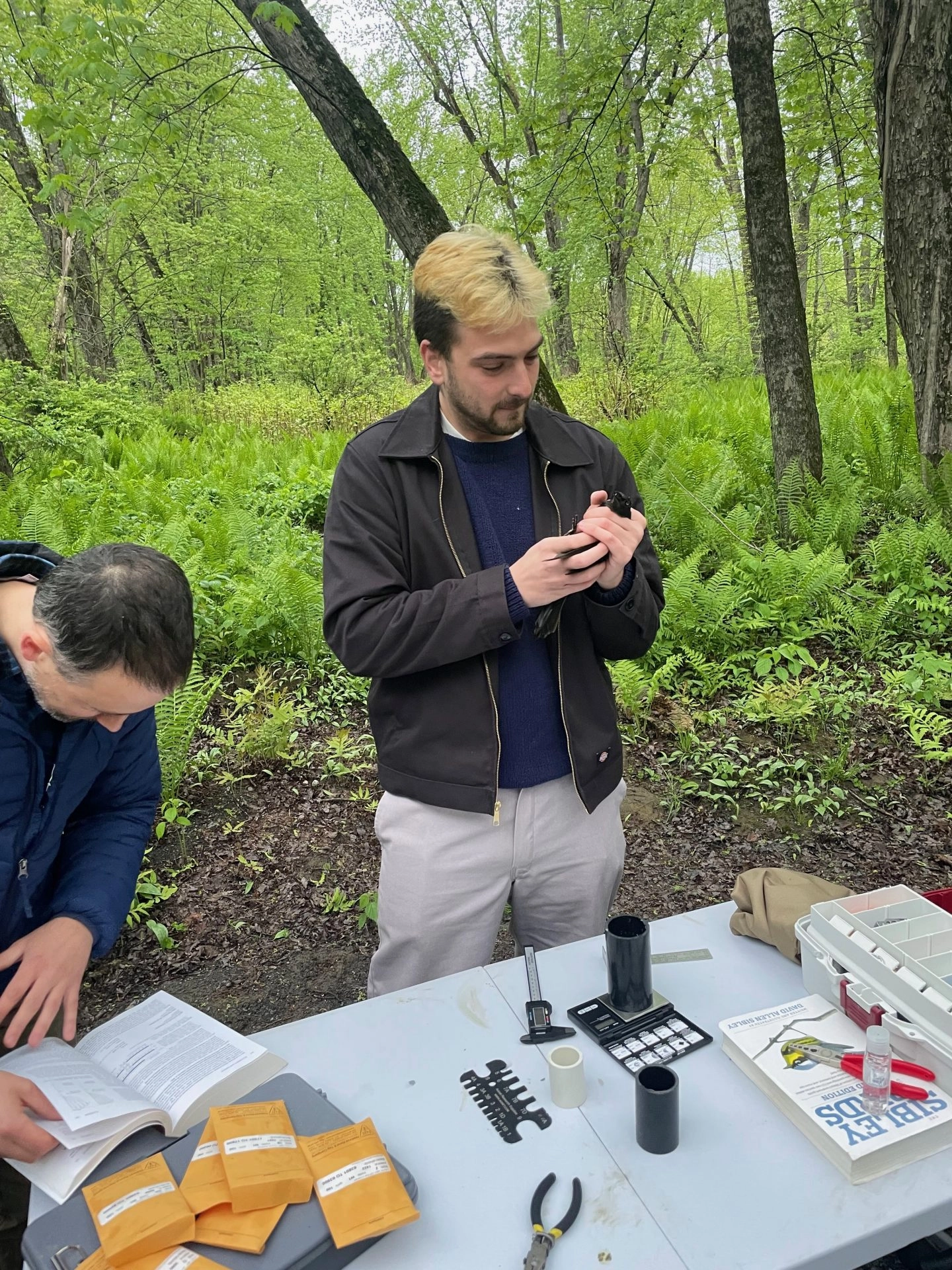
Image: https://farmington.edu/app/uploads/2026/05/RP256-036D.webp
Photo Caption: Brennick worked with Maine Audubon on their Coastal Bird Project helping protect Maine’s piping plovers.
Photo Credit: Submitted Image
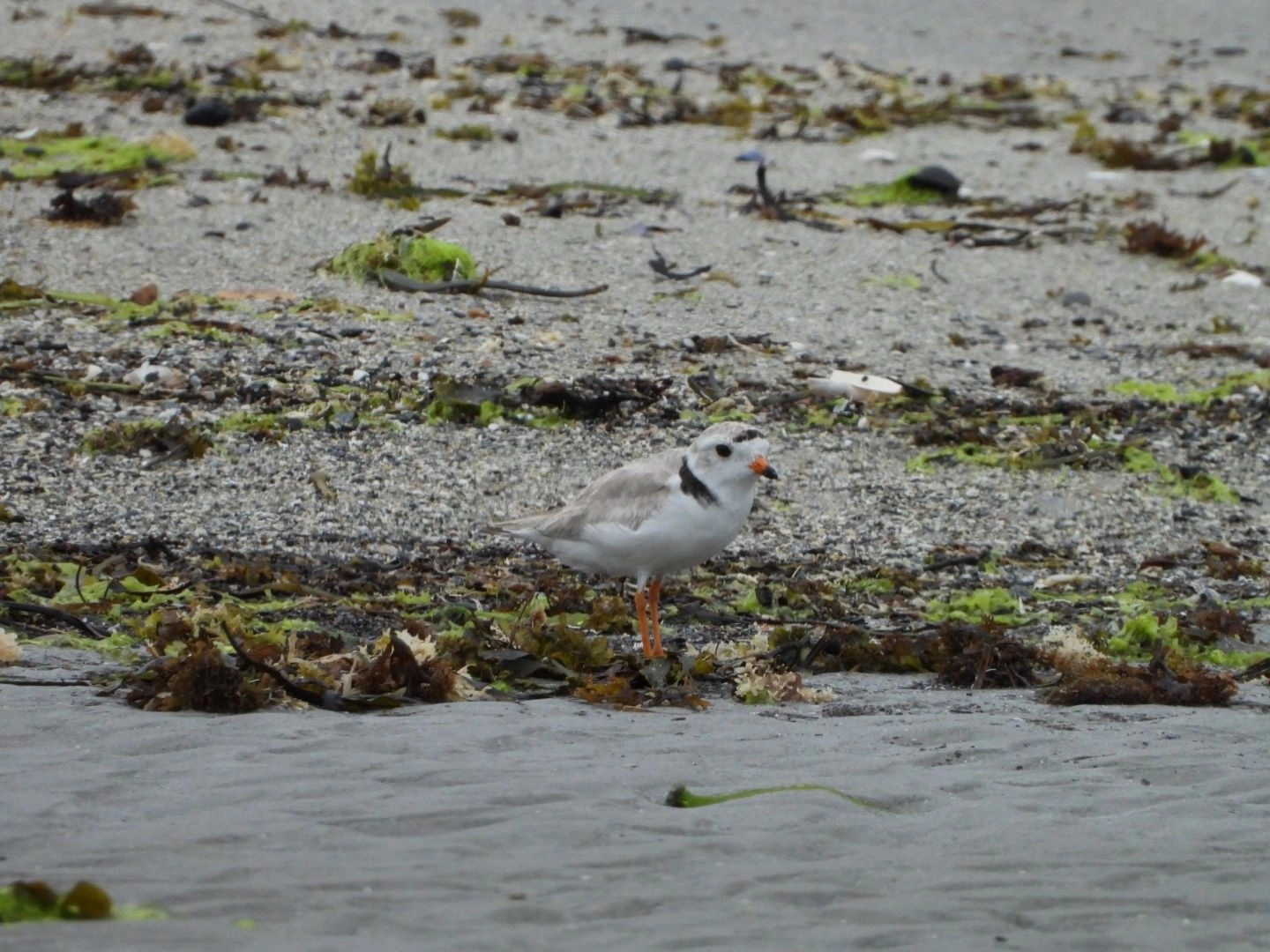
Image: https://farmington.edu/app/uploads/2026/05/RP256-036E.webp
Photo Caption: One of only 10 pair of Maine American oystercatchers and their chick in their intertidal habitat
Photo Credit: Submitted Image
Share this article: