From lobster fishing to gambling behaviors, UMF Data Analytics students transform complex data into real-world decisions
FARMINGTON, ME (June 29, 2026)—What do lobster fishing and gambling behaviors have in common? They can both be transformed with the use of data analytics, an essential tool for turning complex data into real-time actionable insights and better informed decisions.
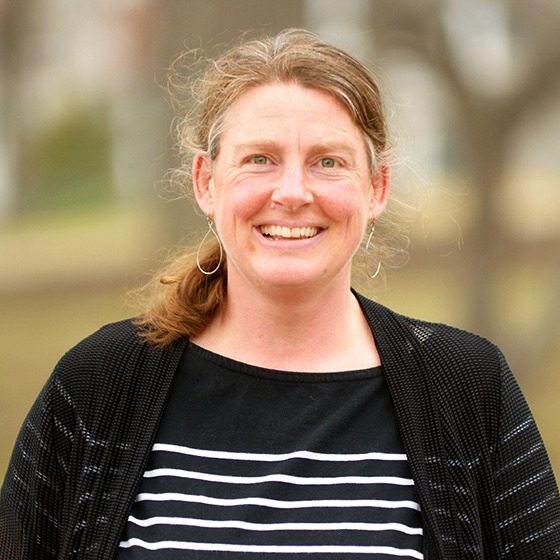
University of Maine at Farmington Professor Lori Koban specializes in data analytics and works closely with her students to prepare them with real-world projects that will train them for their future actuarial and data analytics careers. UMF offers a 21-credit Data Analytics Certificate available both on-campus and online that focuses on real-world data challenges.
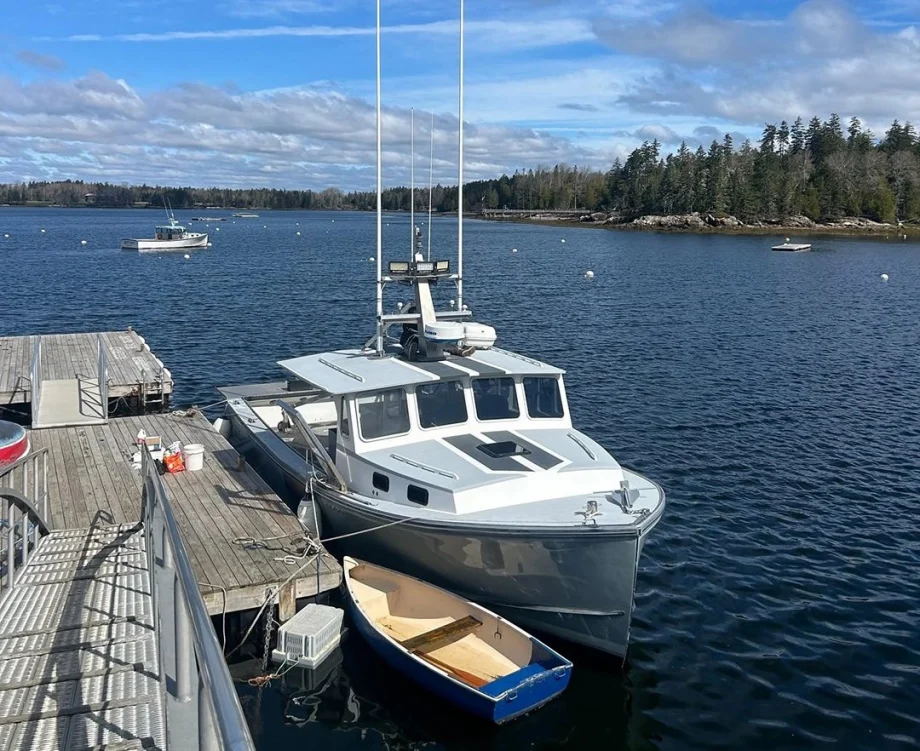
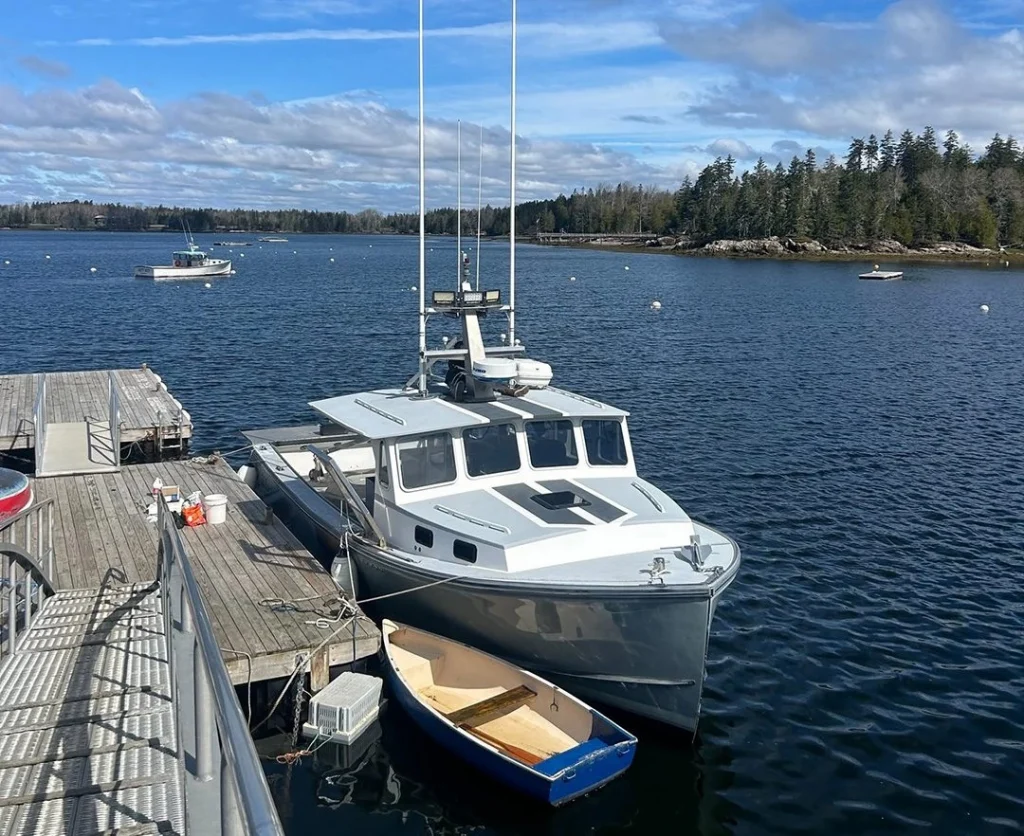
In one of her current projects, Koban is working with her data analytics students and a UMF alum who owns a lobster business on the Maine coast. The business owner is interested in making the best decisions for their financial future.
Maximus Redman, a rising UMF junior from North Berwick, majoring in Actuarial Science and Mathematics, with minors in Data Analytics and Business, is working on this project with Koban.
“I have always been excited by the fishing industry, so working on this real-world project intrigued me,” said Redman. “We’re providing the owner with clear insights to make informed decisions, turning the questions he had for his business into answers that he’ll be able to act on.”

By compiling revenue, expenses, assets and liabilities data, the team is building a financial simulator—a digital tool that models financial scenarios to predict future performance and test the impacts of decisions without real-world risk.
“This project is helping shape my approach to data analysis,” said Redman. “It’s open-ended, uses clear thinking, and has already been an excellent learning experience. I genuinely enjoy this work, and I’m looking to continue work like this because the more projects I take on, the more people I help, and the more I learn for the next one.”
The simulator will help the owner make critical financial decisions like whether or not to buy another lobster boat or shut down their poggie side-business. Some students are also creating app versions of the simulator in order to make it as user-friendly as possible for the client.
Earlier this year, Koban and 30 of her data analytics students created a survey on what the word gambling means to individuals and collected data from 525 people ages 18-90 across the nation. The data gathered would help them understand how people feel about gambling and whether they viewed gambling as problematic or harmless entertainment and why.
“Gambling, especially online sports betting, is a very important topic for us to discuss with our college-age students. This project had students investigating what people consider gambling and some demographic factors that influence that perception. Gambling is more prolific now than ever, and this project allowed for many discussions about what it means to have healthy, responsible gambling behaviors,” said Koban.
Paired into 15 teams, the students examined individual questions. Some of their findings included that younger adults demonstrate higher levels of gambling acceptance and engagement than their older counterparts; people who gamble daily started at an earlier age than those who gamble less frequently; males are less likely to consider paying to play fantasy sports as gambling than females are; and knowing a problem gambler worsens a person’s emotional response to the word “gambling.”
The student teams presented their findings at a campus symposium that was attended by Lori Manson, one of Maine’s top experts who works for Adept ME in the Problem Gambling Space. According to Manson, her colleagues had great interest to hear about the students’ findings.
“Professor Koban’s data analytics students had to research and think deeply about what gambling is, and in the process, to learn what the risks are, how to avoid problems, and how to find resources. It has set them up to successfully navigate a situation that many of their peers around the country are struggling with,” said Manson.
“I was impressed by the deep interest, thoughtful questions, and meaningful conversations taking place with these students at UMF. I will be able to provide opportunities for these students to present their projects to my colleagues in Maine, in New England and nationally,” added Manson.
Anyone interested in learning more about the resources and services that are available to individuals concerned about gambling problems can dial Maine’s Problem Gambling Helpline at 211 or text their zip code to 898-211.
For more information on the UMF 21-credit Data Analytics Certificate contact Lori Koban, UMF professor of mathematics, at lori.koban@maine.edu.
More on University of Maine at Farmington
A nationally recognized regional public university, the University of Maine at Farmington is known for its commitment to teacher preparation, the creative arts, health and science, environmental studies, business and public service. Located in the heart of Maine’s four-season outdoor recreational region, UMF provides a challenging but welcoming academic community—here in Farmington and online—that prepares students for enriching professional careers, engaged citizenship and an enduring love of learning.
# # #
EDITOR’S NOTE:
Image: https://farmington.edu/app/uploads/2026/06/RP256-044C.webp
Photo Caption: Lori Koban
Photo Credit: UMF Image
Image: https://farmington.edu/app/uploads/2026/06/RP256-044D.webp
Photo Caption: Maximus Redman
Photo Credit: Submitted Image

Image: https://farmington.edu/app/uploads/2026/06/RP256-044A.webp
Photo Caption: A UMF alum who owns a lobster business on the Maine coast is having a UMF Data Analytics student create a digital tool that models financial scenarios without real-world risk.
Photo Credit: Submitted Image
Share this article: