STEM, Sustainability, and Environmental Programs

Sustainability, Innovation, & Commitment

Are You Ready to Learn by Doing?

A Hands-On, Research and Community Oriented Approach to Learning

With majors in Earth and Environmental Sciences, Geography, and Environmental Planning, students explore topics ranging from geology and water quality to environmental policy and sustainable development.

Complementary minors like Environmental Studies, Climate Change Solutions, and GIS further enhance students’ skills. UMF’s commitment to sustainability is also reflected in its eco-conscious campus initiatives, making it a leader in educating environmentally responsible professionals for Maine and beyond.

Shape the future of our planet—begin with our environmental studies.

Undergraduate

Majors:

  • Geology
  • Environmental Science
  • Geography
  • Environmental Policy and Planning

Minors:

  • Environmental Studies
  • Climate Change Solutions
  • Environmental Planning
  • Geographic Information Systems (GIS)

Certificate in GIS

Graduate
  • Graduate Certificate in Climate Education
  • Graduate Certificate in Nature-Based Education
Campus Sustainability Initiatives

Biomass Heating Plant, LEED-Certified Buildings, and Geothermal Systems

Recognition and Affordability

Princeton Review’s Guide to Green Colleges and Best Choice Colleges

Minors and Certificates

Environmental Studies Minor, Climate Change Solutions Minor, Environmental Planning Minor, and Geographic Information Systems (GIS) Certificate
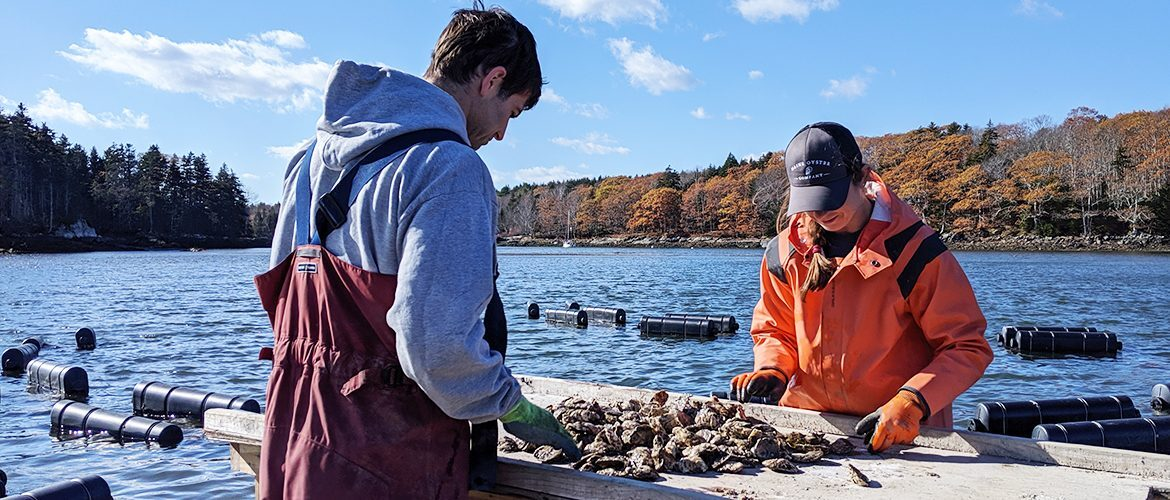
Learn by Doing – Lead by Doing

UMF’s commitment to experiential learning is exemplified through its Research Learning Experiences (RLEs). These initiatives encourage students to collaborate with external partners on projects that involve data collection, analysis, and reporting.

Click Here to Learn More: umf.maine.edu+1scholarworks.umf.maine.edu+

Rooted in Maine, Growing a Sustainable Future

UMF’s environmental programs empower students to make a real difference through hands-on learning, sustainability initiatives, and community-based projects. Whether through field research, internships, or campus sustainability efforts, students turn classroom knowledge into meaningful environmental action.

Next Steps

Your Journey Starts Here